Song Meaning
This song opens with a heartfelt dedication to the "altiplano of my nation" and the "brother Indian in his solitude." It immediately establishes a tone of empathy and solidarity, highlighting the struggles of both the indigenous people and the women who must fight to alleviate their sadness and help them "go and harvest." The narrator's voice is presented as a vehicle for remembrance and hope, promising that through song and dance, the subject will "never be forgotten."
The central tension lies in the contrast between the present hardship and a future envisioned through celebration. The lyrics suggest a longing for a time when the indigenous person can abandon the toil of harvesting for the joy of dancing at the "carnival" with their "chola happy." This idealized future, however, is tinged with a poignant fear of abandonment, as the individual, even amidst revelry, might still "think that you are abandoned."
The recurring "Lara lara lai lai la" refrain acts as a powerful, almost incantatory, element. It’s a simple, joyful sound that contrasts with the underlying themes of solitude and struggle. This musical interjection serves to lift the spirit, offering a sense of communal singing and dancing that aims to carry the listener's spirit and ensure they are "never forgotten," even as the lyrics acknowledge the lingering feeling of being alone.
Ultimately, the effectiveness of these lyrics stems from their directness and the narrator's unwavering commitment to bearing witness. The promise that "in my song you will always be" offers a profound sense of enduring presence and validation. It’s a powerful declaration that even if the world overlooks, the act of singing and remembering ensures that the individual and their plight will persist in memory and spirit.
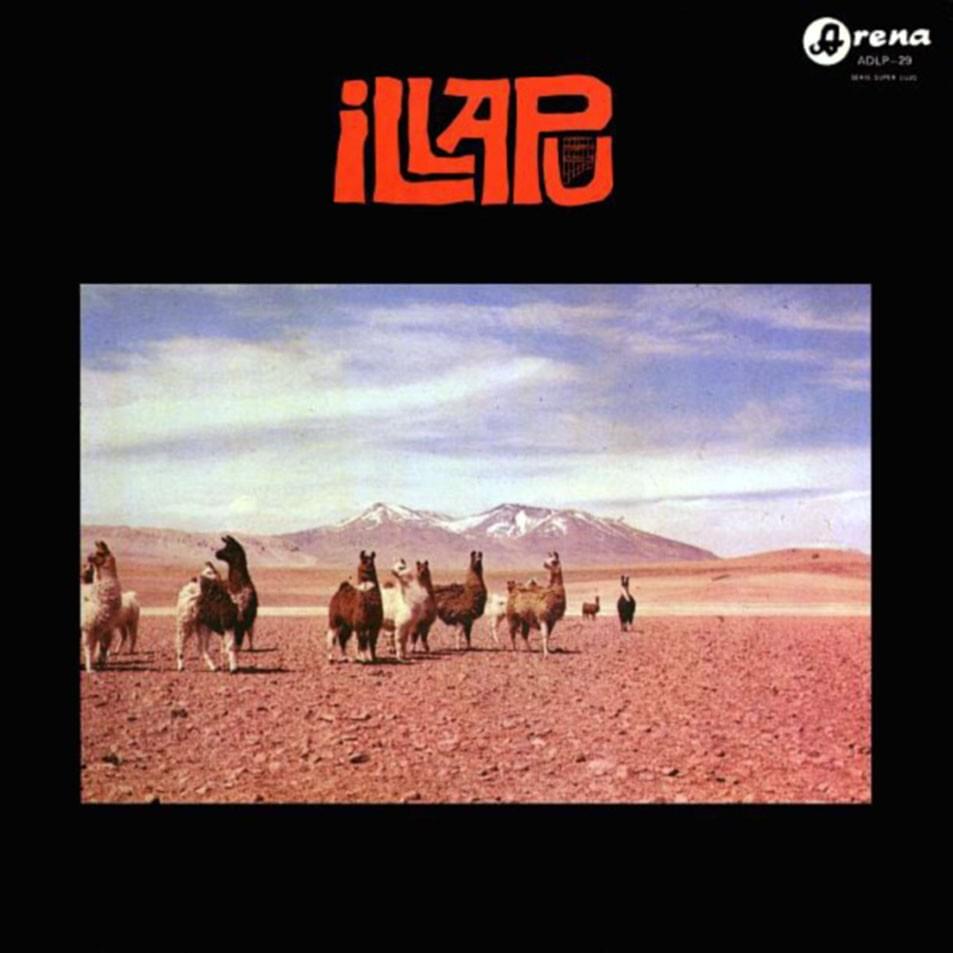
 View Artist