Song Meaning
The lyrics paint a picture of performance, but one tinged with profound reluctance and a desire for authenticity. The narrator describes a gig, a place they can't quite recall but where music will be played and people will dance, seemingly happy. Yet, this outward expectation of joy is immediately undercut by a sense of unease, a feeling of going 'fuori corsia' (off course) and a plea to stop at the 'night' club, suggesting a deviation from the expected path or a moment of hesitation before plunging into the performance.
The central tension arises from the conflict between the performer's role and their inner state. The parenthetical asides reveal a deep internal struggle: "Questa sera io non canto" (Tonight I don't sing) and "Vi regalo un milione / Ma lasciatemi solo la mia vera canzone" (I'll give you a million / But just leave me my true song). This highlights a desperate plea to retain personal integrity amidst the demands of pleasing a crowd with superficial entertainment, the "cose che la gente vuole" (things people want).
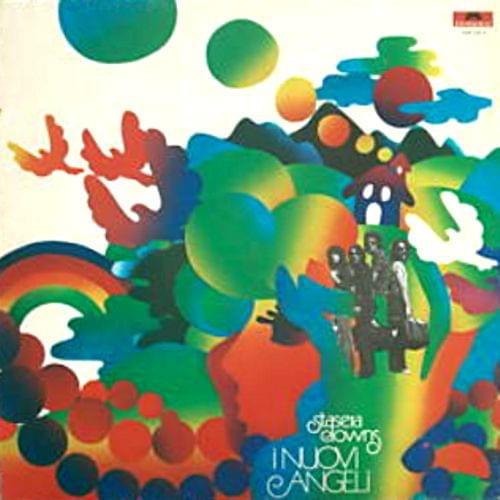
The recurring motif of the "clowns" is particularly striking. The narrator states, "Siamo i clowns e ci voglion così / Per non pensare a niente" (We are the clowns and they want us like this / So they don't have to think about anything). This reveals a self-awareness of being a tool for escapism, a jester whose purpose is to distract the audience from their own realities. The narrator's eventual refusal, "Stasera no, non è da clown la parte mia" (Tonight, no, my part isn't that of a clown), marks a pivotal moment of rebellion against this imposed identity and the superficiality it represents.
Ultimately, the effectiveness of these lyrics lies in their raw portrayal of artistic compromise and the yearning for genuine expression. The contrast between the expected performance and the internal monologue, coupled with the powerful metaphor of the clown, creates a poignant commentary on the pressures faced by performers. The repeated insistence that leaving the audience is "not clown-like" underscores the narrator's final, defiant act of reclaiming their own voice, even if it means breaking the mold.
 View Artist