Song Meaning
The lyrics paint a picture of a life lived under an expansive, blue sky, deliberately contrasting it with a conventional, brick-and-mortar home. This isn't about material wealth; the narrator claims a different kind of richness, one that transcends money. It’s a wealth found in shared experience and perspective, suggesting a deeper contentment that external possessions can't buy. The repeated phrase "non vogliamo, sai, avere in tasca un soldo mai" emphasizes this deliberate rejection of conventional financial success.
The central tension lies between the desire for a different kind of fulfillment and the implied limitations of a more materialistic existence. The narrator challenges the listener to "cerca, cerca, cerca dove vuoi," implying that the true source of joy, "il sorriso che abbiamo solo noi," cannot be found through external searching or material accumulation. This joy is presented as an internal state, accessible through a shift in perspective.
The most striking craft element is the recurring motif of the "cielo blu" and the "grande fiume blu." These natural images represent freedom, boundlessness, and a continuous flow towards a greater destination – the sea. The transformation from a solitary "goccia in più" to being part of the river arriving at the sea signifies inclusion and shared destiny. The repeated "E sorriderai" acts as a promise, a gentle insistence that this perspective shift will lead to happiness.
Ultimately, the lyrics resonate because they offer an alternative vision of success and happiness, grounded not in what one possesses, but in how one perceives the world. The invitation to join the "fiume blu" and to understand that "L'orizzonte è azzurro anche per te" is a powerful message of shared possibility and inherent worth, suggesting that true contentment is a universal horizon waiting to be recognized.
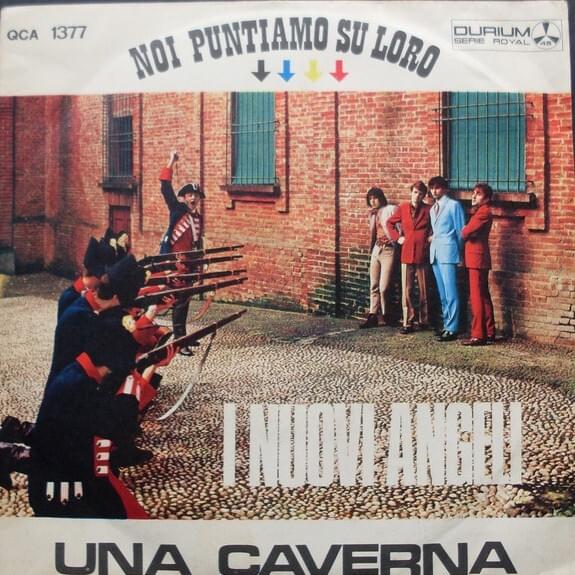
 View Artist