Song Meaning
The lyrics paint a picture of a relationship's dissolution, tinged with a strange detachment and a lingering sense of disbelief. The opening lines, "Strano che quest'uva non sia buona neanche un po'" and "Strano, non ricordo se ti ho amato oppure no," immediately establish a peculiar, almost surreal atmosphere. It’s as if the narrator is observing the end of something significant, yet struggling to grasp its reality or even its past intensity. This disorientation sets a tone of melancholic confusion, where even fundamental memories and sensory experiences feel off-kilter.
The core tension arises from the contrast between the passionate, albeit chaotic, past and the present reality of separation. The narrator recalls a time of "rabbia e la poesia" and "due paure insieme per tenersi compagnia," suggesting a relationship built on intense, perhaps volatile, emotions that paradoxically provided comfort. This shared intensity is now giving way to a stark "Addio," a word that lands with the finality of a "strada senza più ritorno." The shift from a shared "tempo" to individual, separate paths is the central conflict, marked by a profound sense of loss and altered perception.
A striking element is the narrator's self-identification as a "Musicante." This moniker, coupled with the plea "Dillo a tutti gli uomini che adesso incontrerai," positions the narrator as a storyteller or observer, tasked with recounting the truth of their past connection. The repeated phrase "Ma negli occhi tuoi c'è il mondo" serves as a poignant, recurring image, capturing the immense depth and significance the narrator once saw in the other person, now viewed as a point of no return. The lyrics suggest that true understanding of love or pain only arrives with the act of saying goodbye, a moment of raw vulnerability.
This piece resonates because it captures the disorienting aftermath of a significant relationship, focusing on the internal struggle to reconcile past feelings with present reality. The narrator’s fragmented memories and the stark pronouncements of separation create an emotional landscape that feels both specific and universally recognizable in its depiction of love's end. The craft lies in its ability to convey profound sadness not through overt declarations, but through a pervasive sense of strangeness and the quiet acknowledgment of irreversible change.
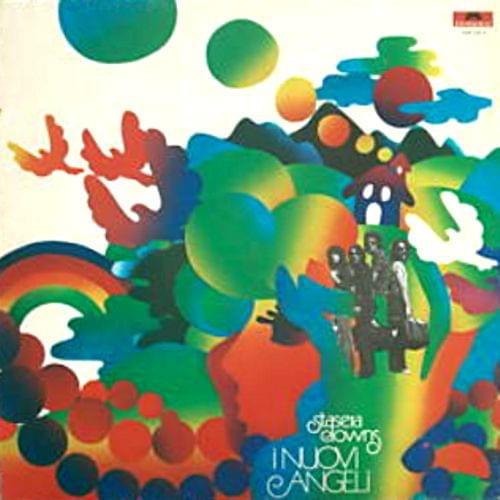
 View Artist