Song Meaning
The lyrics paint a stark picture of alienation at a highway rest stop, where the narrator is immediately othered with a derogatory label. The phrase "occhi fuori orbita" suggests a feeling of being disconnected or overwhelmed, a stark contrast to the mundane setting. This initial scene sets a tone of isolation and judgment.
The central tension arises from a comparison between the narrator's solitary existence and the implied domesticity of others. The narrator questions the experience of performing "in una sala che è una torpediniera" (a torpedo boat hall) when "già a casa c'è la donna tua?" (your woman is already home?). This highlights a profound loneliness, as the narrator's own partner is "mai" (never) there, creating a poignant emotional void.
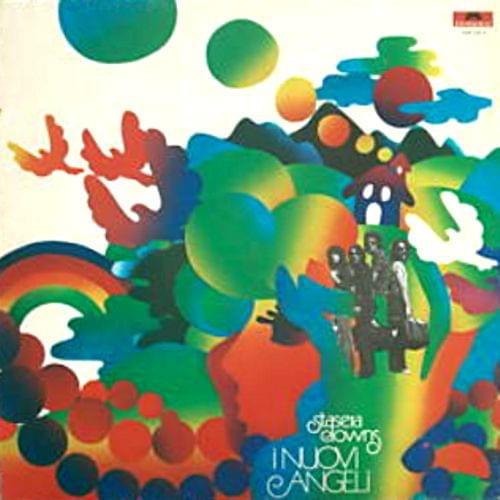
The writing cleverly uses contrasting imagery to underscore this divide. The mundane "caffè che beviamo alle tre" (coffee we drink at three) becomes a marker of shared, perhaps lonely, late-night experiences for the narrator, distinct from the presumed comfort of others' homes. The lines "I bravo e i bene ci rimbalzano addosso / La gente è il cane e noi facciamo da osso" (The 'well done' and 'good' bounce off us / People are the dog and we are the bone) vividly illustrate a feeling of being used and dismissed, yet also mockingly elevated to "nuovi angeli" (new angels).
This lyrical construction is effective because it grounds abstract feelings of loneliness and societal marginalization in specific, relatable moments and sharp, cutting observations. The direct address, like "Ma cosa parli, ma cosa brontoli ancora / Rappresentante di collant per signora?" (But what are you talking about, what are you grumbling about / Representative of pantyhose for ladies?), injects a raw, almost aggressive defiance against the perceived normalcy and judgment of others, making the narrator's isolation feel both personal and universally understood.
 View Artist