Song Meaning
The lyrics paint a stark picture of a relationship's arc, beginning with childhood innocence and ending in abrupt heartbreak. The opening lines establish a playful, imaginative scene: two five-year-olds pretending to be cowboys, a moment of shared adventure. This idyllic past is sharply contrasted with the recurring "Bang bang" refrain, which signifies sudden, violent turns in the narrative. The repetition of this sound effect underscores the abruptness of betrayal and abandonment.
The central tension lies in the passage of time and its devastating impact on connection. The narrator recalls a kiss at fifteen, a tender moment that seems to hold promise, only for it to be overshadowed by the later, more painful departures. The lyrics explicitly state, "You can't stop time, you can't change the wind," highlighting a sense of helplessness against the forces that pull people apart. This helplessness is amplified by the cyclical nature of the "Bang bang" events, suggesting a pattern of sudden rejection.
The most striking craft element is the use of the "Bang bang" sound, which functions as a sonic metaphor for sudden, unexpected trauma. It’s not just a sound; it’s the moment of impact, the shock of being turned on, thrown down, or left behind. This auditory punctuation marks the transition from innocent play to painful reality, and then again from youthful romance to adult abandonment. The shift in context from childhood games to romantic betrayal, all punctuated by the same sharp sound, creates a powerful sense of loss and disillusionment.
These lyrics resonate because they capture the disorienting experience of being blindsided by loss. The simple, almost childlike imagery of the beginning makes the later betrayals feel all the more profound. The narrator is left reeling, repeatedly thrown to the ground by the same sudden force, a visceral representation of emotional injury. The writing effectively conveys how formative experiences, both joyful and traumatic, can shape our understanding of love and loss.
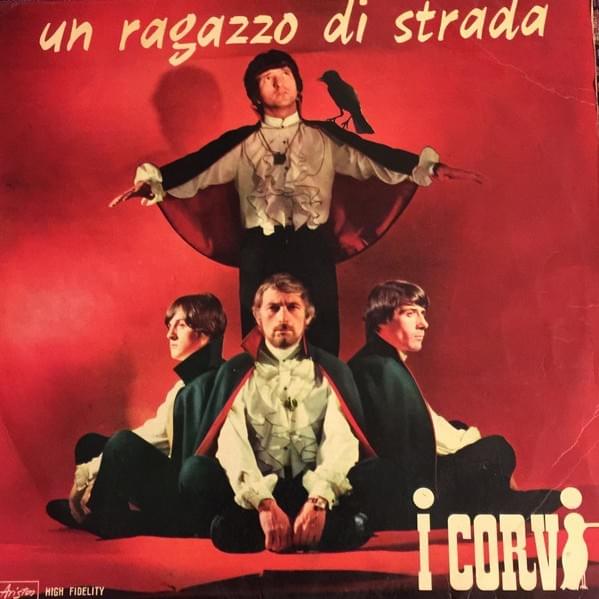
 View Artist