Song Meaning
The narrator is in a state of profound emotional depletion, desperately seeking the means to express their grief. The opening plea, "Datemi una lacrima per piangere," immediately establishes a sense of emptiness, as they confess, "Le ho versate tutte, ora non ne ho più." This isn't just sadness; it's the exhaustion of sorrow, a void where tears should be. The desire for a voice to shout "Che è stata colpa mia" reveals a deep-seated guilt and a need for confession, even if it means accepting blame for a departure.
The core tension lies in this absolute lack of expressive capacity. The repeated phrases "Non ho più parole" and "Non ho più pensieri" underscore a mental and emotional paralysis. This isn't a situation of having too much to say, but of having nothing left to articulate, leaving the narrator in a state of unparalleled isolation: "Nessuno è solo come me." The inability to even think clearly amplifies the feeling of being trapped and alone.
The lyrics masterfully use negation to convey the narrator's destitution. The repeated requests for external aid – a tear, a voice, a friend, eyes – highlight their internal barrenness. They crave an "amico a cui credere" who will offer false hope of return, or "occhi per vederla ancor" for a final, impossible goodbye. This desperate search for external validation and sensory input emphasizes the complete absence of internal resources to process loss.
This raw depiction of emotional bankruptcy is what makes the lyrics so potent. The narrator isn't just heartbroken; they are stripped bare, unable to perform the fundamental human acts of grieving and remembering. The insistent, almost childlike pleas for basic emotional tools – tears, words, thoughts, a friend – paint a devastating picture of someone utterly lost and incapable of finding their own way out of despair.
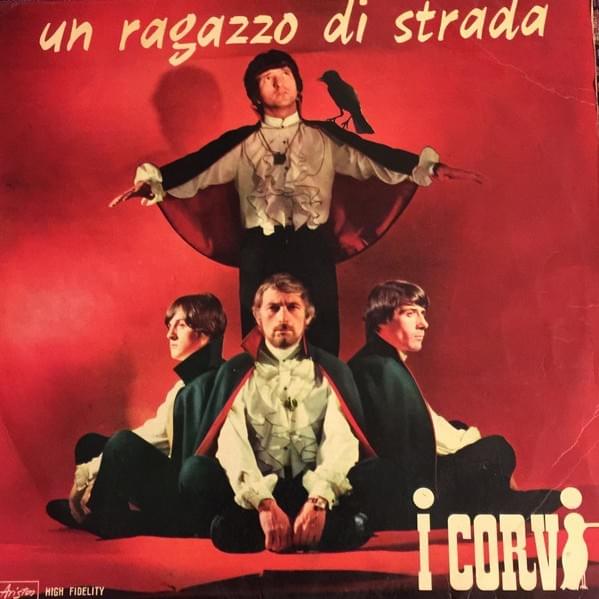
 View Artist