Song Meaning
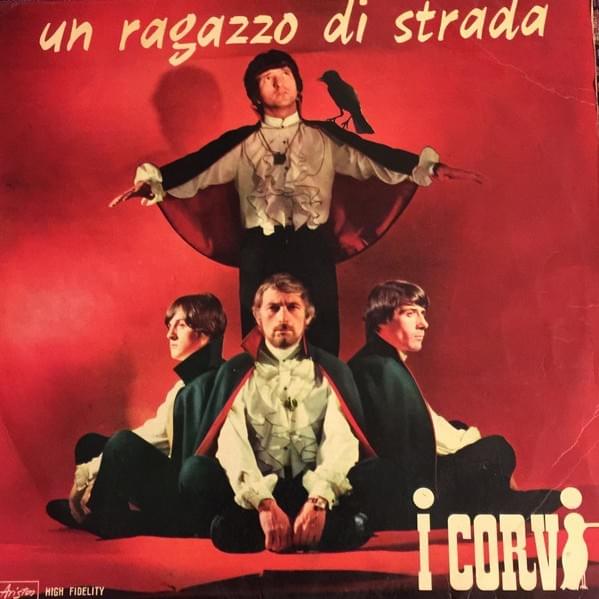
The lyrics paint a stark picture of a man weeping on the street, immediately establishing a tone of profound sadness. This figure is presented as beyond mere boyhood sorrow, his grief making him seem larger and more significant than the observers. The initial observation is one of pity, but it quickly shifts to a more unsettling contemplation of shared human vulnerability.
The core tension lies in the contrast between the observers' present state and the man's overwhelming despair, coupled with the dawning realization of their own potential future suffering. The lyrics suggest that this man's tears are for a lost love, a profound heartbreak that consumes his nights. This specific, yet universally understood, pain becomes the focal point of the narrative.
The most striking aspect of the craft is the repeated assertion that the weeping man is "molto più triste di noi" (much sadder than us) and "molto più grande di noi" (much bigger than us). This repetition emphasizes the gulf between the observers' current emotional state and the man's profound, almost monumental, grief. The phrase "qualcuno di noi come lui piangerà" (one of us will cry like him one day) directly confronts the reader with the possibility of experiencing such overwhelming sorrow.
The effectiveness of these lyrics stems from their directness and the unsettling universality they evoke. By focusing on a single, visible image of sorrow and then connecting it to the potential future of the observers, the song creates a powerful, almost chilling, sense of shared human fragility. It’s not just about *that* man’s sadness, but the inherent possibility of such deep pain within *us*.
 View Artist