Song Meaning
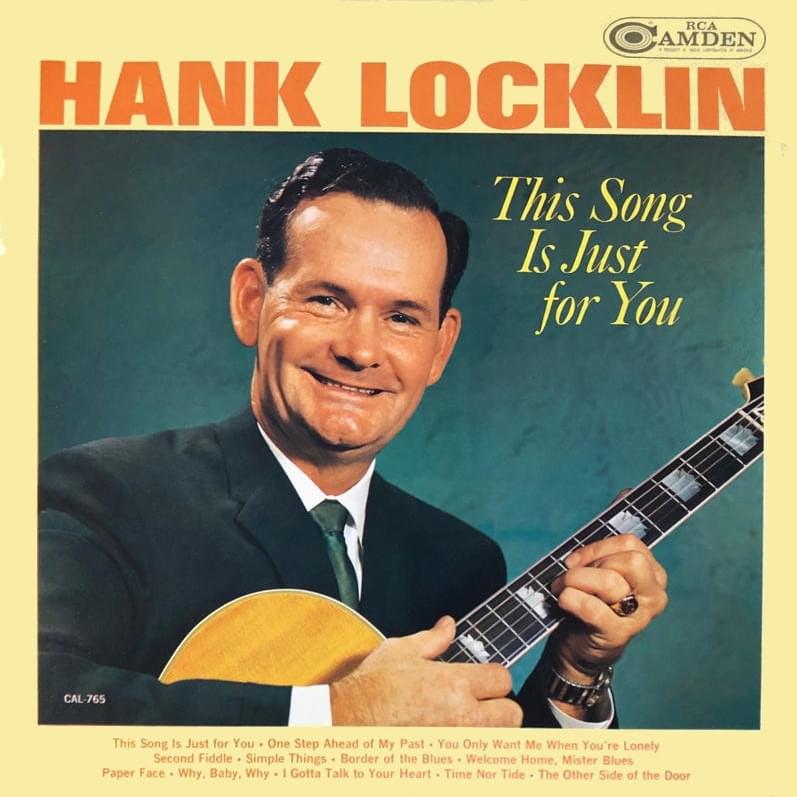
Hank Locklin's "Time Nor Tide" floats on a deceptively simple premise: unwavering devotion. But beneath the surface of this country ballad lies a fascinating psychological study in commitment and the human need for constancy. The lyrics, stripped down to their essence, paint a portrait of love as an anchor – something unshakeable amidst the relentless flux of life. Locklin isn't just singing about romantic love; he's tapping into our primal craving for security in a world defined by change. The repeated assertion that "time nor tide won't change my love for you" serves as both a promise and a bulwark against existential dread. It's a defiant act of will, a declaration that some things can, and should, remain constant.
Consider the lines about aging: "Though the changing years may gray your golden hair / In my eyes you'll always be as sweet and fair." This isn't mere flattery; it's a profound statement about perception and the power of the mind to override the physical realities of time. Locklin suggests that true love transcends the superficial, focusing instead on an idealized, timeless image of the beloved. This speaks to a desire to freeze a moment, to capture and preserve the essence of a relationship against the inevitable decay that time inflicts. The fiddle and steel guitar, classic country instrumentation, enhance the feeling of nostalgia and longing, reinforcing the idea of love as a refuge from the harsh realities of the present.
Ultimately, "Time Nor Tide" isn't just a love song; it's an exploration of the human condition. It acknowledges the presence of "grieve and pain," but insists on the enduring power of love to provide solace and meaning. The metaphor of "sunshine after every rain" is familiar, yet effective, encapsulating the cyclical nature of life and the promise of renewal. The song's message is clear: while the world around us is in constant motion, true love offers a fixed point, a source of stability, and a reason to face the future with hope.
 View Artist