Song Meaning
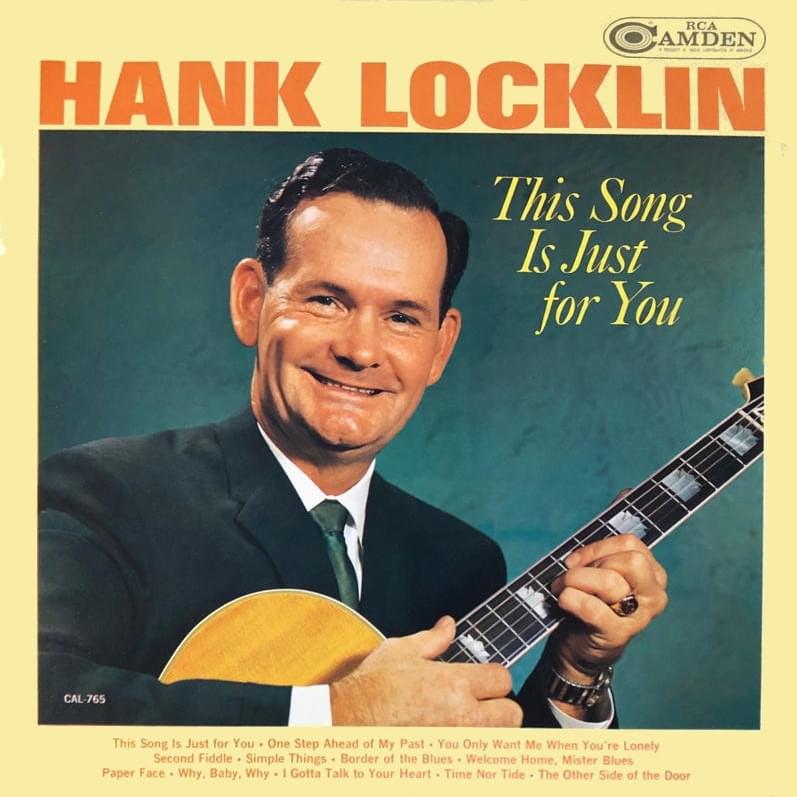
Hank Locklin's "The Other Side Of The Door" isn't just a country ballad; it's a distilled expression of longing and deferred gratification. The door itself functions as a potent symbol, a boundary between the singer's present reality of solitude and the idealized world he experiences with his beloved. It represents more than just physical separation; it's the barrier between chaste courtship and consummated love, a space thick with unspoken desires and carefully managed restraint. The "other side" becomes a repository for his very essence – his hopes, dreams, and heart – all left behind in anticipation of a future union. This act of leaving pieces of himself with his lover highlights the vulnerability and emotional investment inherent in romantic relationships.
The lyrics paint a stark contrast between the joy experienced in the presence of his love and the desolation of her absence. Walking home alone, the singer finds the world devoid of beauty and meaning: "where are the stars where is the moon where is my world." This isn't mere loneliness; it's an existential void, suggesting that his sense of self is intrinsically linked to this relationship. The repetition of "On the other side of the door with you my love" serves as both a lament and a beacon of hope, a constant reminder of what he's missing and what he's working towards. The door becomes a physical manifestation of the emotional distance that societal norms and expectations impose on the couple.
Ultimately, "The Other Side Of The Door" taps into the universal human experience of delayed gratification and the yearning for complete emotional and physical intimacy. The singer's anticipation of their wedding day, when he'll finally have the "right to spend my hours to spend my years to spend my life" with his beloved, underscores the powerful societal forces that shape and constrain romantic expression. Locklin doesn't just sing about love; he explores the psychological landscape of desire, patience, and the profound impact that another person can have on one's sense of self and the world.
 View Artist