Song Meaning
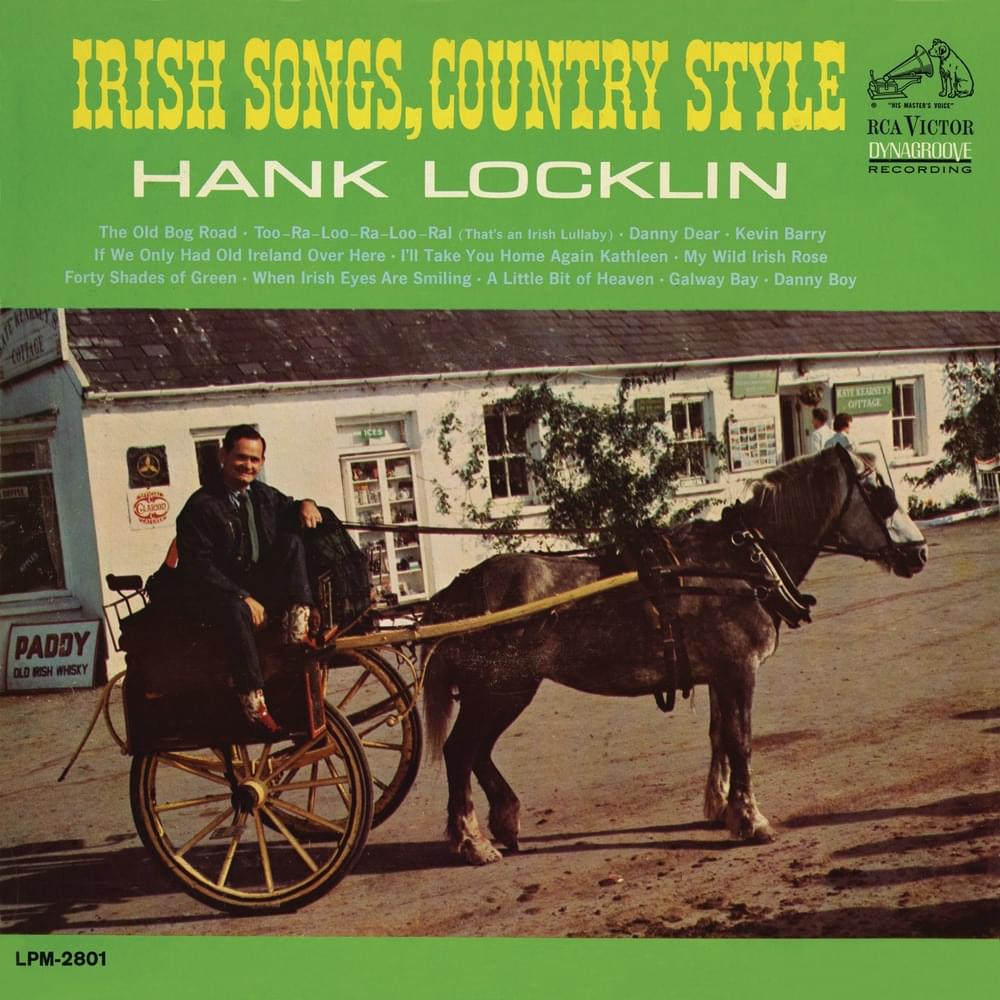
Hank Locklin's rendition of "Kevin Barry" isn't just a song; it's a stark ballad, dripping with the somber defiance of Irish nationalism. The lyrics paint a vivid, almost cinematic portrait of Kevin Barry, a young man executed in Mountjoy Jail for his role in the Irish War of Independence. But Barry isn't merely a historical figure here; he's a symbol, meticulously crafted through the song's narrative to embody unwavering conviction in the face of overwhelming oppression. The gallows aren't just a means of execution, they are a stage upon which Barry performs his ultimate act of resistance. His youth – "just a lad of eighteen summers" – amplifies the tragedy and underscores the perceived brutality of British rule.
The chorus, a recurring lament, acts as both a eulogy and a call to arms. To be a "martyr for old Erin" is not simply to die, but to be elevated into the pantheon of Irish heroes, a potent form of cultural immortality. The pointed juxtaposition with "another martyr for the crown" highlights the irreconcilable divide and the cyclical nature of violence and sacrifice. The lyric "The British laws may crush the Irish / But cannot keep their spirits down" isn't just hopeful rhetoric; it's a declaration of psychological resilience, a refusal to be broken by external forces. It suggests the British Empire can control bodies but not souls.
The song crescendos with the depiction of Barry's torture, a brutal attempt to extract information. This scene isn't gratuitous; it serves to solidify Barry's moral fortitude. His refusal to become "an informer" transforms him from a mere participant in the conflict into a figure of almost saintly integrity. The question of whether the events are historically accurate is almost secondary to the song's larger purpose: to inspire unwavering loyalty to the cause of Irish freedom. This depiction reinforces the idea that true resistance lies not just in physical acts of rebellion, but in the unyielding preservation of one's principles, even in the face of death.
 View Artist