Song Meaning
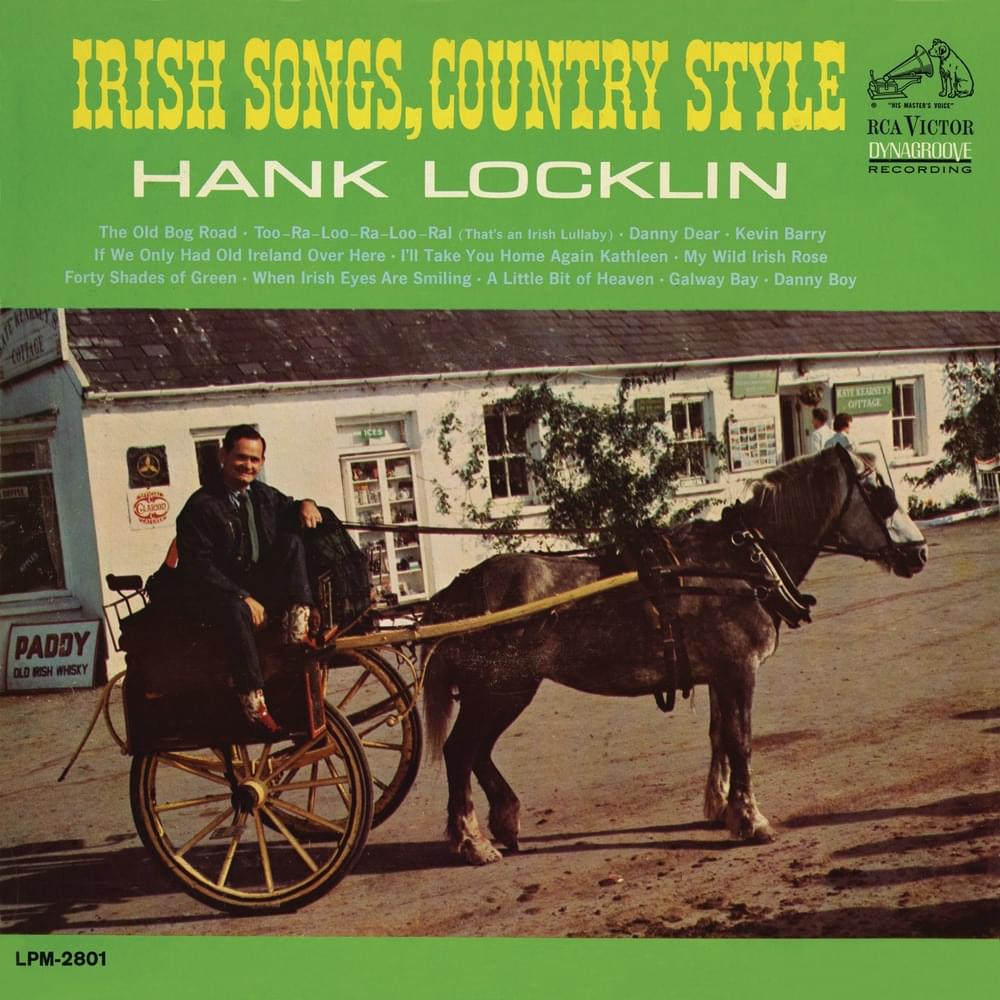
Hank Locklin's rendition of "I'll Take You Home Again, Kathleen" is less a simple love song and more a poignant elegy draped in the guise of devotion. The opening promise, "I'll take you home again Kathleen, across the ocean wild and wide," immediately establishes a yearning for a return—but not just to a place. It's a return to a prior state, a former self, a time before the unnamed suffering took root. The ocean, "wild and wide," serves as both a literal and metaphorical barrier, a vast expanse separating the present, fraught with sorrow, from a cherished past. This isn't just about geography; it's about emotional distance.
The lyrics paint a stark portrait of Kathleen's decline. "The roses all have left your cheek. I watch them fade away and die" is a brutal, albeit poetic, acknowledgement of her fading vitality. The singer isn't just observing her physical deterioration; he's witnessing the extinguishing of her spirit. The lines "Your voice is sad when'er you speak and tears bedim your loving eyes" confirm a deep-seated unhappiness, a pain that transcends mere homesickness. It's a weariness of the soul, a longing for solace that the present cannot provide. Locklin's delivery, characteristically tender, amplifies the underlying sense of loss and regret.
The repeated assurance, "Oh I will take you back Kathleen, to where your heart will feel no pain," suggests a recognition that her current environment—perhaps even her relationship—is contributing to her anguish. The promise of returning her "to where your heart will feel no pain" implies an understanding of the source of her suffering. The final lines, "And when the fields are fresh and green I will take you to your home, Kathleen," evoke an idealized vision of healing and renewal. The "fresh and green" fields symbolize hope and the promise of a restored life. The song’s deep meaning resides in the unspoken: a love that acknowledges its limitations and prioritizes the well-being of the beloved, even if it means letting go.
 View Artist