Song Meaning
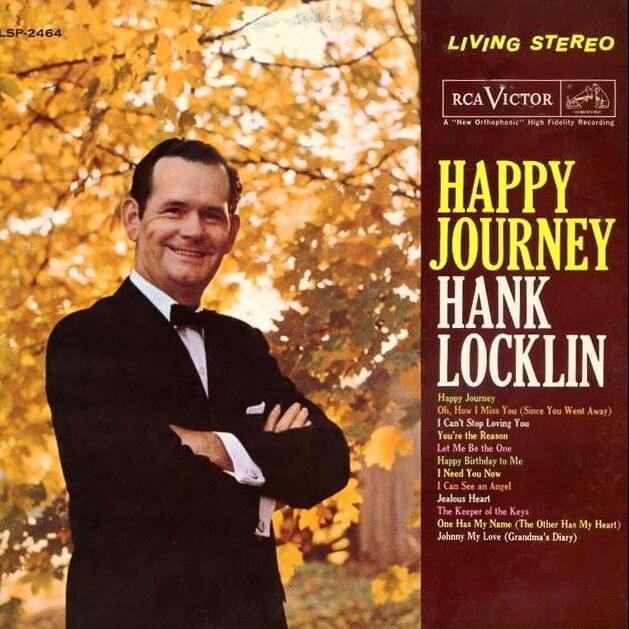
Hank Locklin's "I Need You Now" isn't just a plea; it's a raw, exposed nerve of loneliness. The song meaning resides in its stark simplicity: a direct, unadorned expression of desperate longing. Locklin bypasses flowery language, cutting straight to the bone with the opening line: "If I ever needed you I need you now." This isn't a gradual build; it's an immediate declaration of crisis. The repetition of "I need you now" throughout the lyrics amplifies the urgency, hammering home the singer's profound sense of isolation. It speaks to a primal need for connection, a void so deep that it threatens to consume him. The lyrics paint a picture of someone teetering on the edge, where the absence of a loved one becomes a tangible, almost unbearable weight. The line, "I feel like I could die from wanting you," isn't mere hyperbole; it's a glimpse into the abyss of despair.
The emotional core of "I Need You Now" lies in its vulnerability. Locklin doesn't attempt to mask his pain or project an image of strength. Instead, he lays bare his emotional fragility, admitting his helplessness in the face of overwhelming sadness. The confession "I can't ease my aching heart, but you know how" carries a heavy weight of dependence, suggesting that the missing person holds the key to his emotional well-being. This reliance, while potentially unhealthy in a broader psychological context, adds a layer of poignant desperation to the song's narrative. The cyclical nature of his grief, described in the lines "No day or night goes by when I don't have my cry," further emphasizes the debilitating impact of this absence on his life.
Ultimately, "I Need You Now" transcends the typical country lament. It's a universal expression of human vulnerability, tapping into the fundamental need for love and connection. Locklin's straightforward delivery and the song's unembellished lyrics create a powerful and resonant experience, reminding us of the profound impact that our relationships have on our emotional well-being. The song's enduring appeal lies in its honesty; it's a stark reminder that even the strongest among us can be brought to our knees by loneliness and longing.
 View Artist