Song Meaning
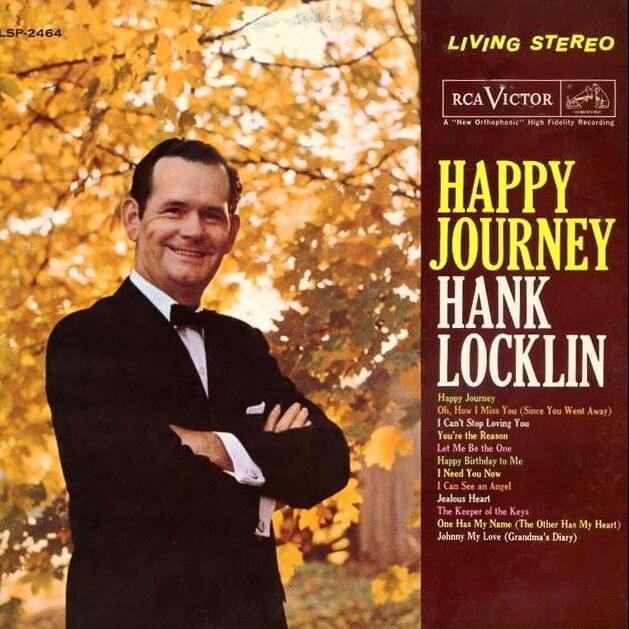
Hank Locklin's "I Can See an Angel" isn't a hymn; it's a country lament disguised as celestial observation. The 'angel' here isn't winged or haloed, but a woman – specifically, a woman the narrator hopelessly loves, now coupled with another. The repeated visual of the angel walking, talking, and laughing with someone else becomes a recurring stab of pain. It’s the torture of witnessing happiness that you can't share, a constant reminder of what's been lost, or perhaps, never attainable. The 'angel' metaphor, therefore, functions as a self-inflicted wound; elevating the object of affection to an unattainable ideal only amplifies the singer's suffering. This isn't about religious devotion; it's about romantic idealization turned to ashes. The song meaning lies in the chasm between adoration and reality.
The bridge offers a glimmer of stoic acceptance, but it's quickly swallowed by the overwhelming tide of unrequited love. Locklin sings, 'Time will change many things...But I will never change,' solidifying the tragedy. It's a declaration of unwavering devotion, but also a prison sentence. The narrator is trapped in a loop of longing, forever watching his 'angel' from afar. The subtle shift in perspective – from observation to a confession of eternal, hidden love – is where the song's true ache resides. He’s not just seeing an angel; he’s condemned to see her, always, with someone else.
Ultimately, "I Can See an Angel" explores the psychology of unrequited love and the lengths to which the human heart will go to both cherish and punish itself. The act of 'hiding' his love 'forevermore' suggests a deep-seated fear of rejection, a self-protective mechanism that simultaneously preserves the ideal and guarantees perpetual sorrow. It's a portrait of quiet desperation, painted with the gentle brushstrokes of classic country heartbreak. The lyrics analysis reveals not a celebration of angelic beauty, but an examination of the pain caused by unattainable desire and the self-imposed exile it creates.
 View Artist