Song Meaning
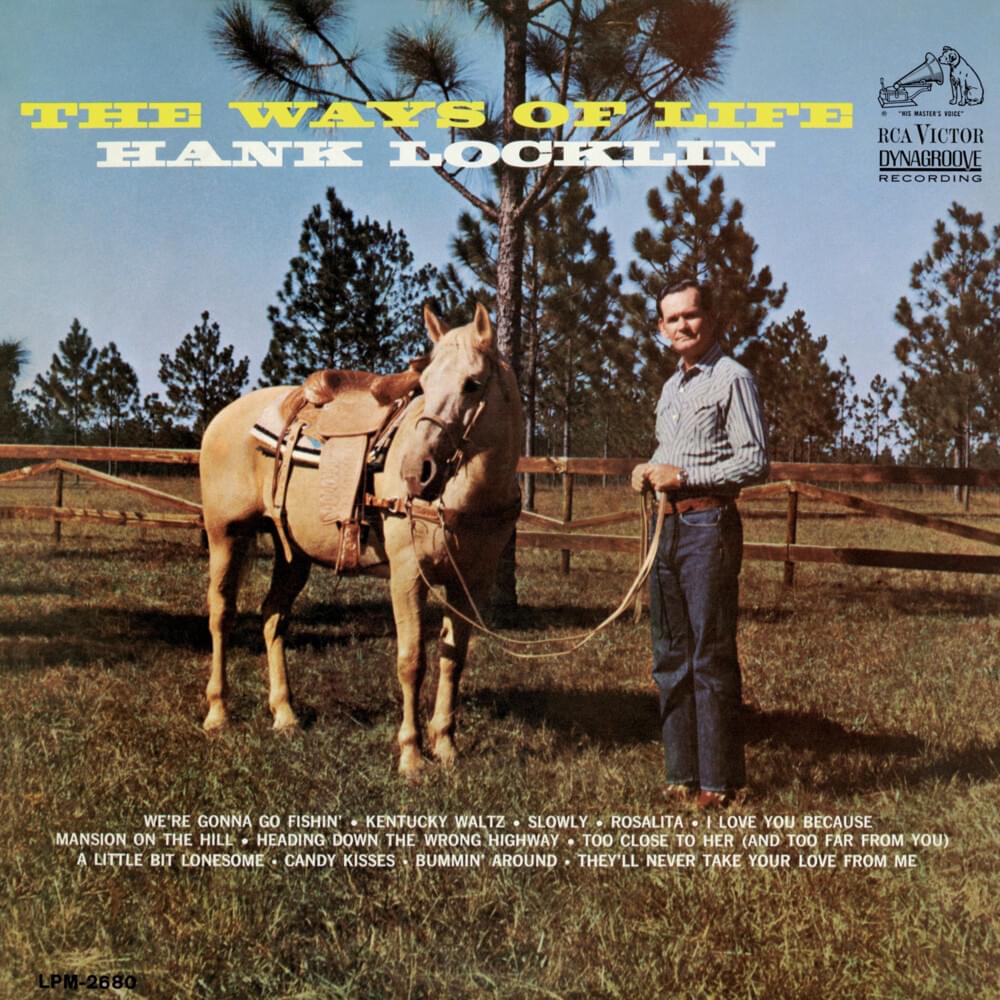
Hank Locklin's "A Little Bit Lonesome" isn't just a country lament; it's a masterclass in emotional dependency, distilled into a few deceptively simple verses. The song meaning hinges on the push-pull of absence and longing, a state where the narrator is paralyzed by the fear of missing a potential connection. He's not just sad; he's strategically, performatively sad, trapped in a self-imposed prison of anticipation. This isn't a sweeping, operatic heartbreak; it's the quiet, insidious ache of everyday loneliness, amplified by the hope (or delusion) of reconciliation. The repetition of "a little bit lonesome, a little bit blue" becomes less a description of feeling and more a mantra, a way to both acknowledge and perhaps even prolong the suffering.
The image of the narrator as a "little rag doll" is particularly potent. It speaks to a profound loss of agency, a willingness to be passively manipulated by the whims of the absent lover. He's not actively pursuing happiness or healing; he's waiting to be rescued, his identity contingent on the return of the other person. The lyrics analysis reveals a subtle power dynamic at play: the narrator infantilizes himself, perhaps in an attempt to evoke sympathy or guilt. The line "Oh baby come home your daddy's so low and lonesome for you" adds another layer of complexity, blurring the lines between romantic and paternal longing. Is he seeking a lover, or a caregiver?
Ultimately, "A Little Bit Lonesome" captures the universal human experience of yearning, but with a particularly sharp awareness of the ways in which we can become complicit in our own unhappiness. Locklin's delivery, understated and sincere, only amplifies the song's emotional impact. It's a portrait of vulnerability, yes, but also a cautionary tale about the dangers of surrendering oneself completely to the absence of another. The song lingers not because of its grand pronouncements, but because of its quiet, unsettling honesty about the fragility of the human heart.
 View Artist