Song Meaning
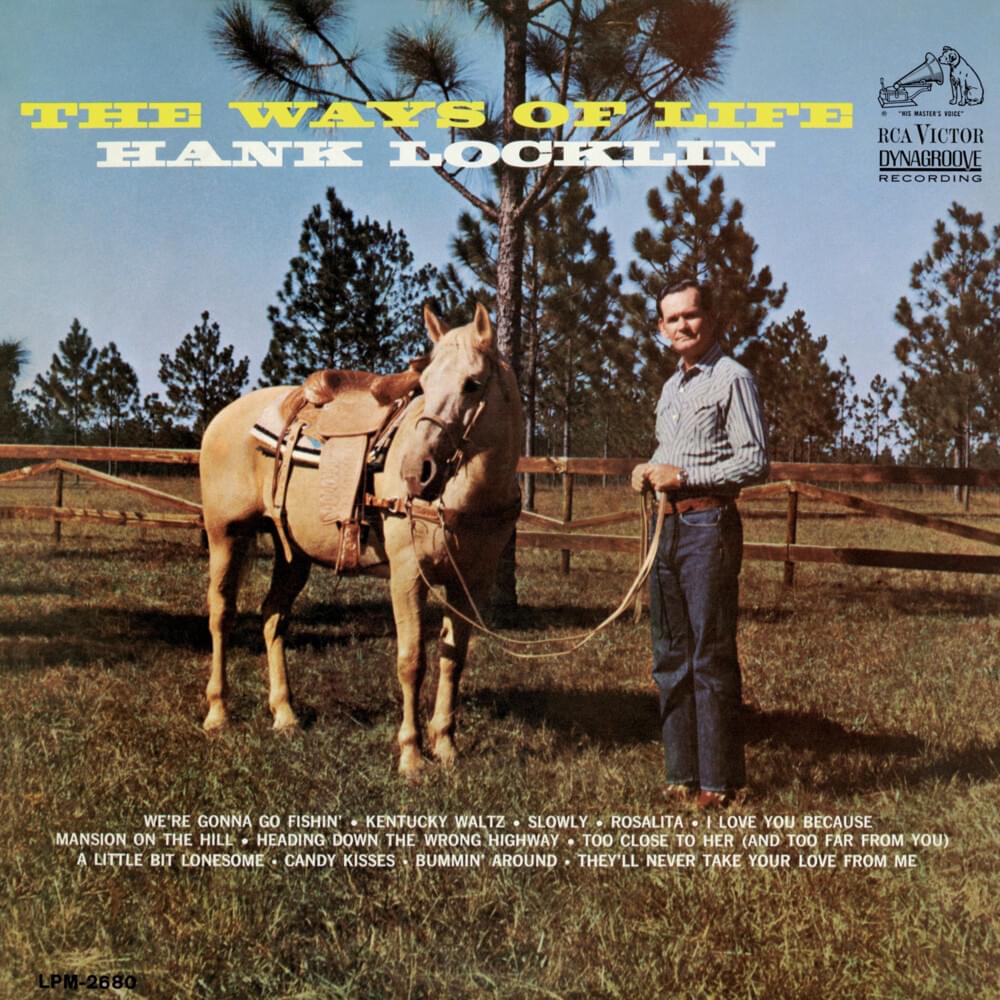
Hank Locklin's "Kentucky Waltz" isn't just a song; it's a masterclass in distilled longing. The deceptively simple lyrics paint a vivid scene: a harvest moon, a dance, and a love that vanished like smoke. But within that brevity lies the song's emotional power. It taps into the universal experience of cherished memories that haunt the present, a bittersweet ache for what's irrevocably lost. The waltz itself becomes a potent symbol, representing not just a dance, but a specific moment in time, a feeling, an entire relationship encapsulated in a few elegant steps. This isn't some abstract philosophical treatise on love and loss. Locklin grounds it in the concrete imagery of Kentucky, the moonlight, and the remembered embrace, making the pain incredibly palpable.
The repetition of the chorus is key to understanding the song's psychological depth. It's not just a musical device; it mirrors the obsessive nature of grief. The singer is trapped in a loop, forever replaying the memory of his lost love in his mind's eye. The moonlight, often associated with romance, here serves as a stark reminder of his solitude. He's not just missing the woman; he's missing the specific feeling, the unique atmosphere of that night. The phrase "I long once more for your embrace" isn't just about physical intimacy; it's a yearning for the safety, the comfort, the sense of belonging that the embrace represented.
Ultimately, the beauty of "Kentucky Waltz" lies in its ability to evoke profound emotion with such economical language. Locklin understands that the most powerful stories are often the ones left unfinished, the details left to the listener's imagination. The song doesn't tell us why the love ended, or what became of the woman. It simply presents the aftermath: a man alone in the moonlight, forever haunted by the ghost of a beautiful Kentucky waltz. It's a testament to the enduring power of memory and the melancholic beauty of a love that time cannot erase.
 View Artist