Song Meaning
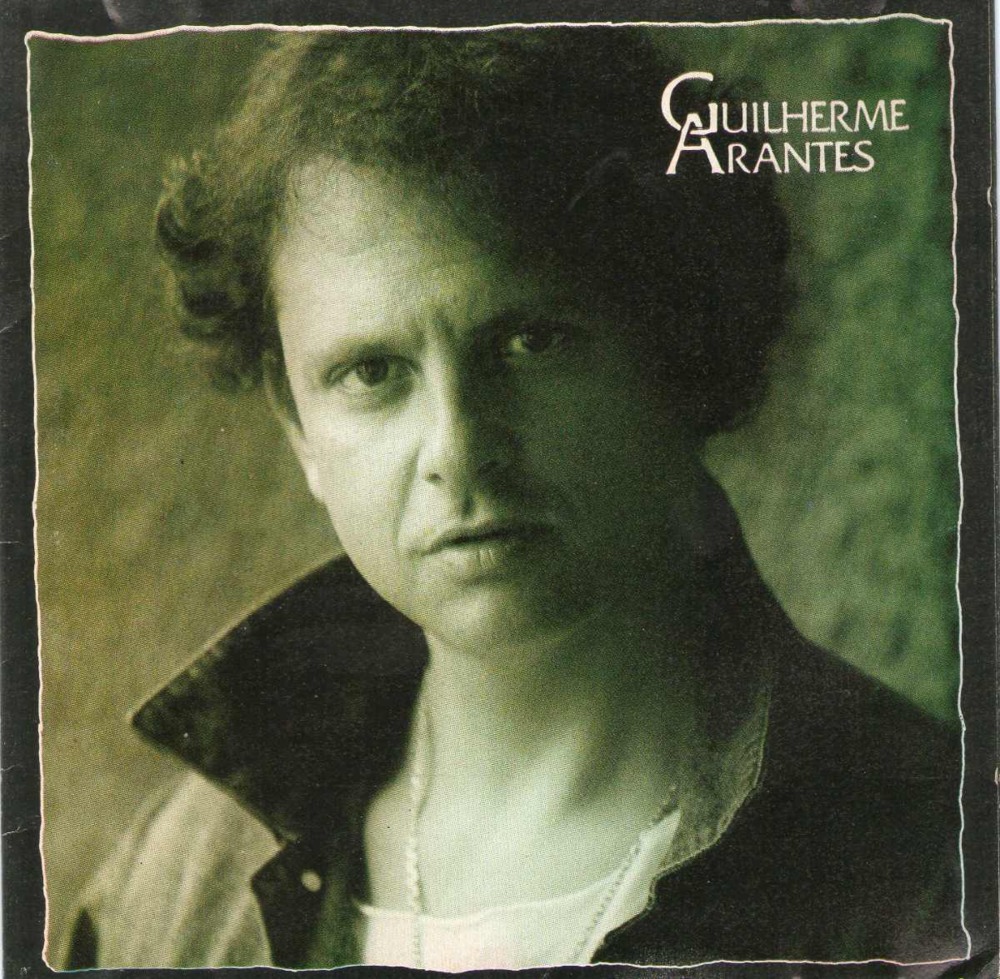
Guilherme Arantes' "Alma do Teu Corpo" isn't just a song; it's a sonic baptism. The opening lines paint a familiar portrait of melancholy – the "tempo cinza," the pervasive sadness that threatens to engulf us. But Arantes, ever the optimist, immediately offers a counterpoint: this too shall pass. The promise of renewal, of "outras vidas desconhecidas," suggests a cyclical view of existence, where pain is transient, and transformation is inevitable. The song then shifts its focus to the arrival of passion, depicted as a potent force capable of reshaping our inner landscape. It’s not a gentle breeze, but a "perfume quente" that disrupts the natural order, altering "luas e as marés." This passion doesn't merely touch the surface; it penetrates "no fundo da gente," stirring deep-seated emotions and challenging the hardened parts of ourselves. The "dor de pedra" – the pain that feels immovable – is ultimately vulnerable to the relentless power of love. Arantes invokes the imagery of the sea, with its turbulent currents and cleansing waves, as a metaphor for the emotional upheaval that accompanies profound connection. The "sangue do mar" must agitate, forcing us to confront our vulnerabilities and embrace change. Ultimately, "Alma do Teu Corpo" is an invitation to surrender to love's transformative power. The recurring phrase "na alma do teu corpo" emphasizes the holistic nature of this experience – it's not just a mental or emotional shift, but a complete immersion, a purification that washes away the old and makes way for the new. It's about accepting the light, allowing it to permeate every fiber of our being, and finding solace in the knowledge that even in the darkest of times, love has the power to heal and renew.
 View Artist