Song Meaning
Guilherme Arantes' "Depois da Zero Hora" paints a portrait of longing and the search for authentic connection amidst the superficiality of the late-night world. The literal translation, "After Zero Hour," suggests a liminal space, a time after the day's responsibilities have faded, when the veneer of social expectations thins. Arantes captures the feeling of being adrift in this sea of "luminosas" streets, teeming with temptations and fleeting encounters, yet finding them ultimately unsatisfying. He pointedly ignores the "1000 palavras, 1000 sorrisos" (1000 words, 1000 smiles) recognizing their emptiness.
The core of the song meaning lies in the contrast between the external allure and the internal need for genuine intimacy. The lyrics reveal a yearning for a specific, unnamed "ela" (she) who provides something essential that the vibrant nightlife cannot. This "she" is not just a lover, but a source of profound comfort and balance. The lines "É que só ela me dá / O que eu preciso / Qualquer tempo ou lugar / Traz de volta a harmonia" (Only she gives me / What I need / Any time or place / Brings back harmony) emphasize the irreplaceable nature of this bond. She is the anchor in the chaotic, post-midnight landscape.
Arantes uses the backdrop of clinking glasses and endless chatter to highlight the isolating effect of superficial interactions. These distractions are merely attempts to "espantar o frio" (ward off the cold), a metaphor for the emotional emptiness that pervades the scene. The repeated affirmation of the woman's ability to restore harmony reinforces the idea that true fulfillment comes not from external validation or fleeting pleasures, but from the deep, unwavering connection with a loved one. The song is a subtle, melancholic exploration of the human need for solace and belonging in a world often defined by its transient nature.
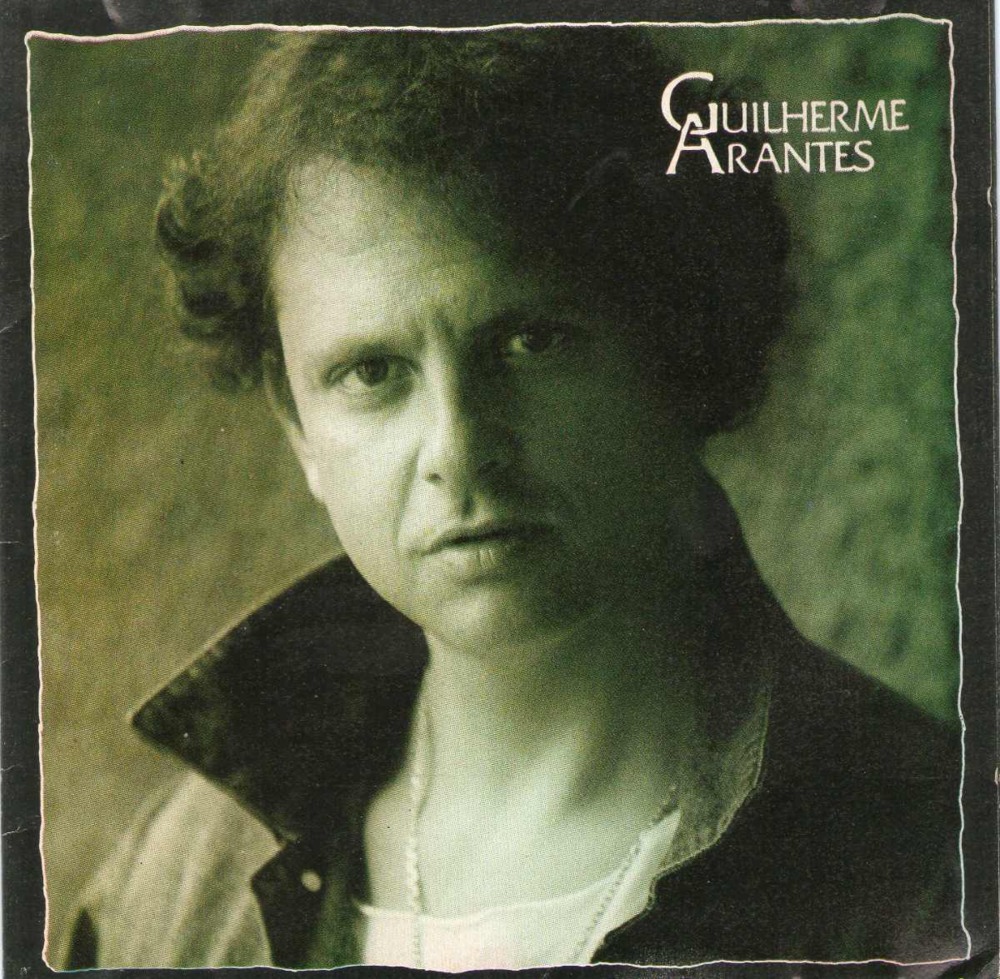
 View Artist