Song Meaning
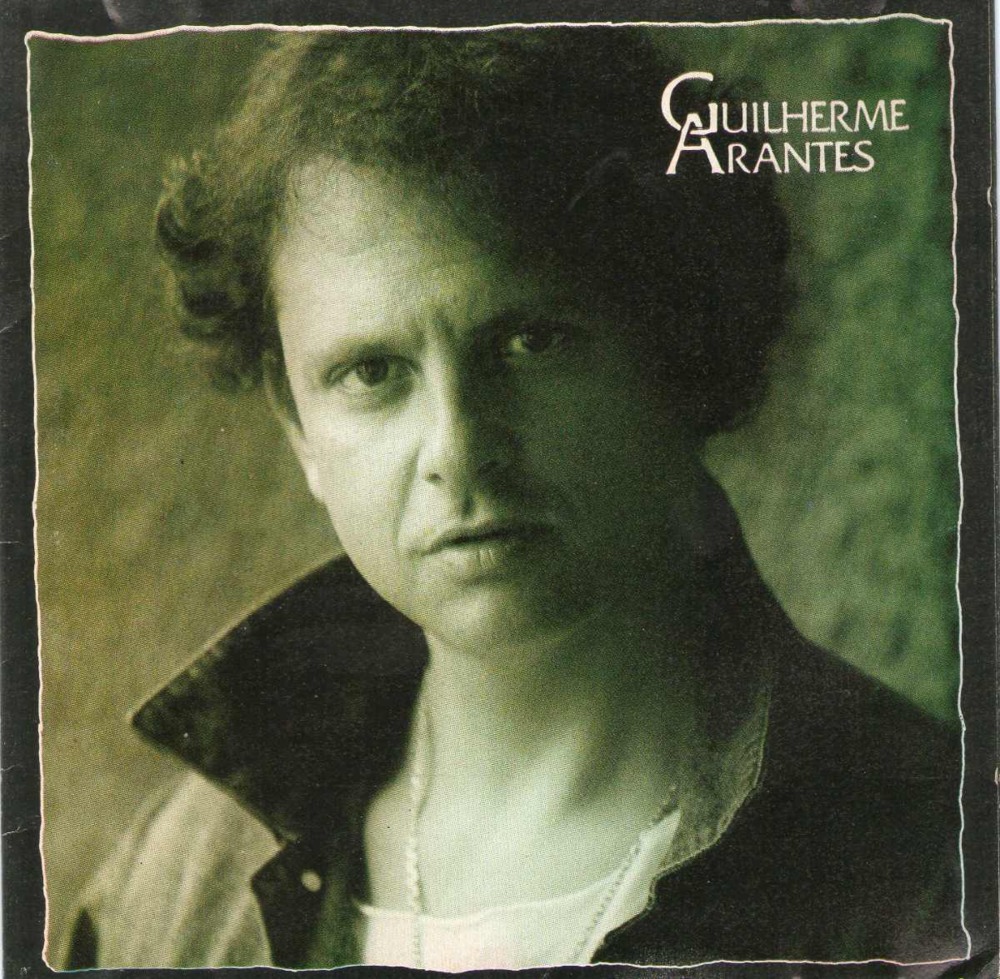
Guilherme Arantes' "Criando Nuvens" isn't just a song; it's a whispered manifesto for emotional courage. The recurring "Sempre" (Always) acts as both an affirmation and a gentle prod, urging us toward a state of perpetual vulnerability. Arantes isn't advocating for reckless abandon, but rather a conscious choice to remain open, even—or especially—when the stakes are high. The lyrics frame freedom not as an absence of constraint, but as the active embrace of emotional risk: "Ser livre é ter coragem de se entregar" (To be free is to have the courage to surrender). This notion cleverly inverts the typical understanding of freedom as self-preservation, suggesting instead that true liberation lies in our capacity for intimacy. The song subtly challenges the listener to confront their own defense mechanisms against love. It's a call to dismantle the walls erected in the name of self-protection. Arantes highlights the necessity of uncertainty and dreams in unlocking beauty, suggesting a process of constant emotional evolution.
The core of "Criando Nuvens" resides in the lines, "Não vou trair / Meu coração / Querendo ser fiel / Nem proibir / Nenhuma emoção" (I won't betray / My heart / Wanting to be faithful / Nor forbid / Any emotion). Here, Arantes confronts the human tendency to betray one's own feelings in the pursuit of perceived safety or social acceptance. The act of not betraying the heart becomes synonymous with fidelity, a commitment to honoring the full spectrum of human experience. This refusal to suppress emotions acts as a powerful act of self-validation.
The titular phrase, "Criando Nuvens / Pra filtrar o sol" (Creating Clouds / To filter the sun), offers a poignant metaphor for managing life's intensity. It's not about blocking out joy or love entirely, but rather about finding a sustainable way to experience them without being overwhelmed. The song suggests a need for self-regulation, a gentle tempering of the intensity of emotions to avoid burnout. The closing lines reinforce the overarching theme of resilience and the transformative power of love: "A vida poderá dar suas voltas / Conseguirá abrir as suas portas / Pois qualquer coisa é pouca perto de estar / Perto do amor" (Life can take its turns / It will be able to open its doors / Because anything is little close to being / Close to love). This suggests that in the face of life's inevitable challenges, the capacity for love remains the ultimate source of strength and possibility.
 View Artist