Song Meaning
The lyrics paint a picture of a deeply fractured relationship, where the narrator feels misunderstood and manipulated. There's a palpable sense of past hurt, with the narrator recalling being treated "just like a child" and being unable to "realize" the extent of the mistreatment. The repeated questions, "Do you love me? Do you need me?", highlight a desperate plea for validation that seems to go unanswered, fueling a cycle of conditional affection: "So I'll please you."
The central tension lies in the narrator's struggle for agency against someone who consistently tries to control their perception and actions. The phrase "Don't drag me down" acts as a raw, desperate plea, a boundary being drawn after enduring repeated emotional abuse. The shift from "I was young then" to "Now I know you" signifies a hard-won awareness, a realization that the other person's supposed affection is transactional and designed to keep the narrator submissive.
The most striking aspect is the stark contrast between the narrator's evolving understanding and the other person's unchanging behavior. The narrator now sees through the facade, recognizing the manipulation and the desire to instill fear: "You want me to be afraid to / Say anything on my mind." This newfound clarity is coupled with a wish for the other person's isolation, "I hope you're left on your own," a powerful expression of wanting to sever the toxic connection entirely.
Ultimately, these lyrics resonate because they capture the painful process of recognizing and resisting emotional control. The raw vulnerability in the questioning, juxtaposed with the firm, albeit weary, declaration of "Don't drag me down," makes the narrator's fight for self-preservation feel incredibly real and earned. The writing effectively conveys the exhaustion of constantly seeking love while being met with control.
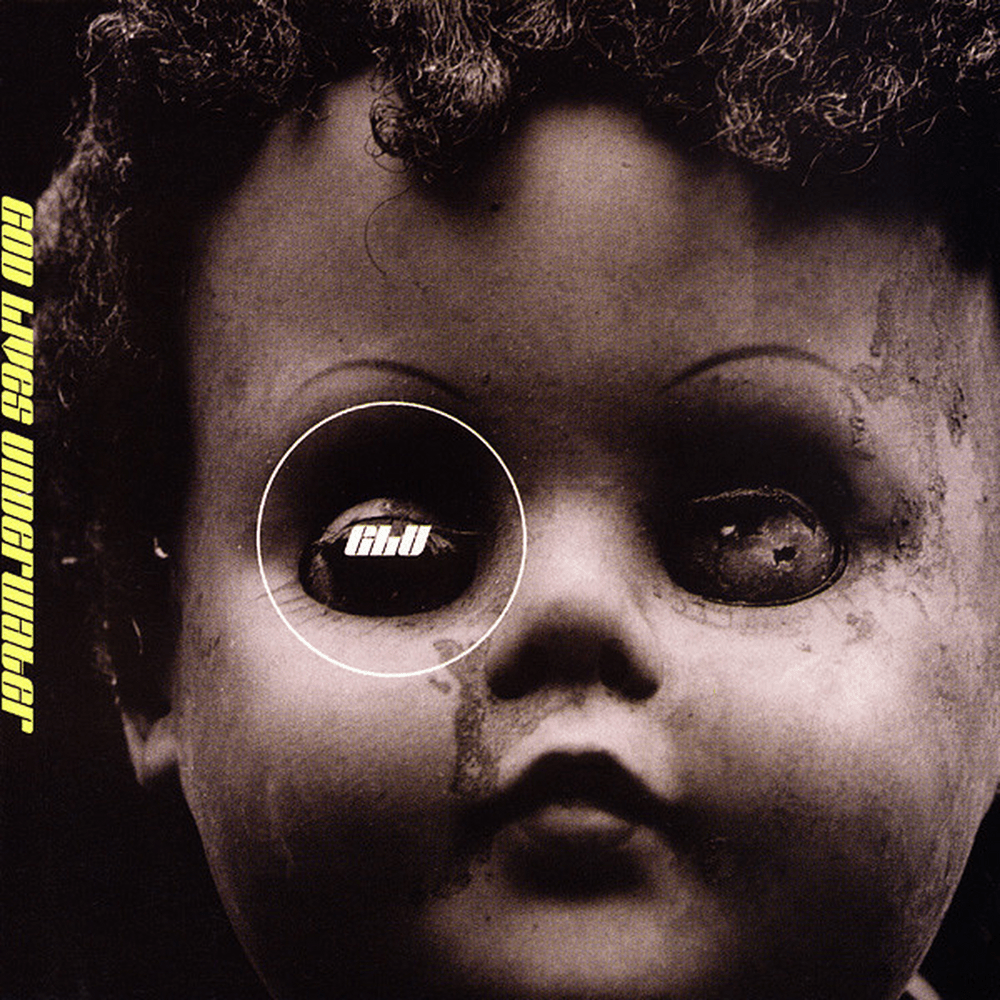
 View Artist