Song Meaning
The lyrics paint a stark picture of drowning, both literally and metaphorically. The opening lines immediately establish a sense of panic and physical distress, with the narrator gasping, "Turning blue and I can't breathe." This physical struggle quickly expands to encompass a deeper, existential crisis, suggesting a point of no return where self-rescue is impossible.
The central tension lies in a profound sense of regret and lost connection, amplified by the realization of past mistakes. The narrator confronts a former confidante, acknowledging a significant passage of time and a fundamental shift in their relationship: "Now that you don't know me / And I've been away for long." This distance seems to have brought a painful clarity, prompting the question, "Seen how we were wrong?" The implication is that a shared misjudgment or a collective error in their past has led to this current state of isolation and despair.
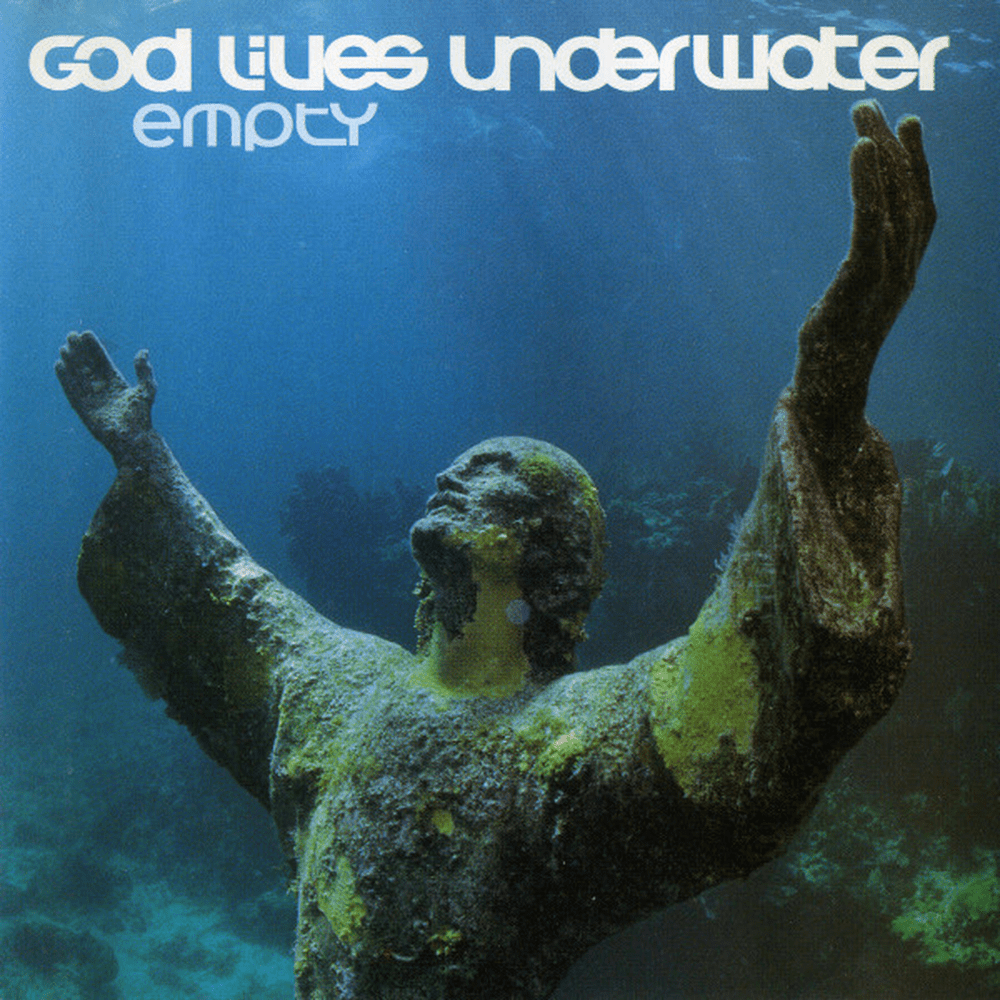
The recurring motif of being "way too deep" functions as a powerful metaphor for overwhelming circumstances and inescapable consequences. This depth isn't just physical; it's emotional and spiritual, a place where "misery is now complete." The sensation of "falling under feet" and feeling "on top of me" intensifies the feeling of being trapped and suffocated, blurring the lines between internal suffering and external reality, as the "suffocating dreams / Are real to me."
This lyrical construction is effective because it grounds abstract feelings of regret and alienation in visceral, physical sensations. The simple, repeated commands like "Breathe" and "Please" underscore the desperation, while the imagery of water and suffocation creates a palpable sense of dread. The shift from a shared past to individual, overwhelming present highlights the isolating nature of profound error, making the narrator's plight feel intensely personal and inescapable.
 View Artist