Song Meaning
Glenn Yarbrough's "Love, Let Me Not Hunger" isn't just a gentle folk tune; it's a quietly desperate plea rooted in the primal need for connection. The song's meaning revolves around a deep-seated loneliness, a hunger that extends beyond the physical. Yarbrough uses simple, almost childlike imagery – the bumblebee flitting between flowers, the caterpillar climbing a vine – to illustrate a natural, instinctual drive. These images aren't merely pastoral decoration; they highlight the inherent longing for something more, a mirroring of the speaker's own yearning. The warmth of the day, repeated as a motif, feels less like a celebration of life and more like a goading reminder of what's missing: shared experience, intimacy, and release.
The core of the song's emotional weight rests in the repeated line, "Love, let me not hunger." This isn't a casual request; it's a vulnerable admission of need, amplified by the implied duration of that hunger: "I've been alone so long." The rhetorical question, "How can a little taste of wine be wrong?" suggests a willingness to compromise, to accept a small measure of solace rather than prolonged emptiness. There’s a subtle undercurrent of justification here, a hint of societal or personal constraint that makes even a 'little taste' feel transgressive. The invitation to 'sing along' if 'you've had a hunger' suggests a shared experience of loneliness and a hope for mutual understanding and release.
Ultimately, "Love, Let Me Not Hunger" is a masterclass in understated longing. It acknowledges the inevitability of aging ("We'll not get any younger") and the fleeting nature of time ("What does it matter what's done in the day, after the day is done?"), further intensifying the urgency of the speaker's desire. The song's power lies not in grand pronouncements but in its quiet, persistent yearning, a relatable human need expressed with disarming simplicity. Yarbrough taps into a universal vulnerability, reminding us that the hunger for connection is a fundamental part of the human condition.
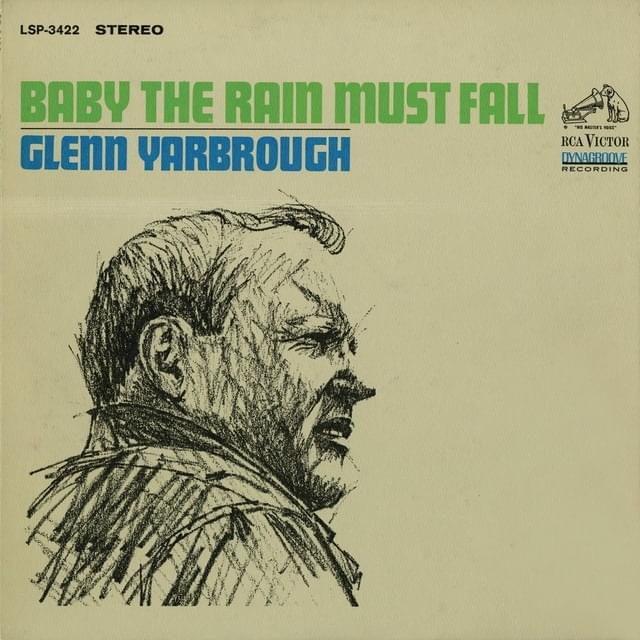
 View Artist