Song Meaning
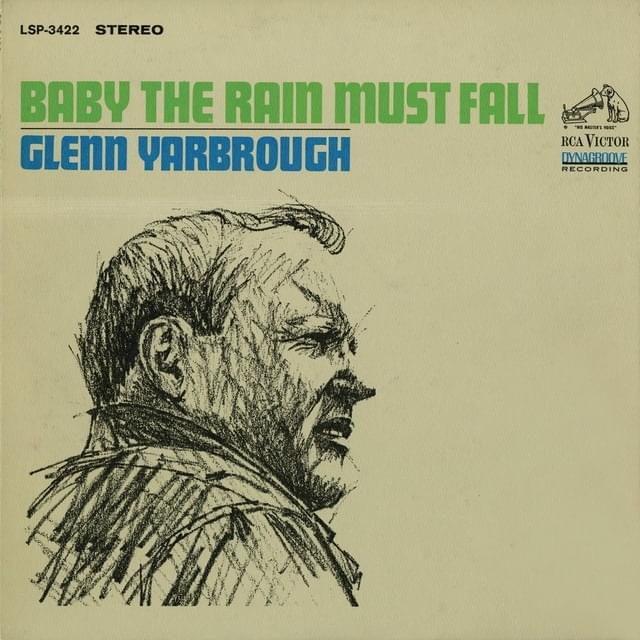
Glenn Yarbrough's "Long Time Blues" isn't just a song; it's a masterclass in melancholy, a sonic portrait of lingering loss. The genius lies in its stark simplicity. Yarbrough doesn't overload us with narrative detail or overwrought emotion. Instead, he offers a series of evocative images – a window at dawn, a rainy riverbank, a train depot – each a tableau of patient, almost passive, waiting. The repetition of phrases like "long time gone" and "long time blues" hammers home the central theme: an absence so profound it has become a permanent fixture in the singer's emotional landscape. It's the kind of blues that settles in, not as a temporary visitor, but as a lifelong resident. The cyclical nature of the lyrics, returning to the opening scene, underscores the feeling of being trapped in a loop of longing.
The genius of the song meaning also exists in what is *not* said. The identity of the 'girl' remains a mystery. The circumstances of her departure are never explained. This ambiguity allows the listener to project their own experiences of loss onto the song, transforming it from a specific story into a universal lament. The natural world – the rain, the sparrow, the dawn – provides a backdrop of indifferent beauty, highlighting the contrast between the world's ongoing rhythm and the singer's stagnant grief. The sparrow's song, initially a source of potential solace, becomes another reminder of what's missing: a 'silent song,' echoing the absence of the loved one's voice.
Ultimately, "Long Time Blues" isn't about the dramatic explosion of heartbreak, but the slow, persistent burn of its embers. It's a study in emotional endurance, in the quiet, unyielding ache of absence that defines a particular kind of blues experience. It’s about learning to live with a void, a 'long time gone' that reshapes the contours of one's inner world. The song is a testament to the enduring power of simple language to convey complex emotional states and the subtle artistry of Glenn Yarbrough.
 View Artist