Song Meaning
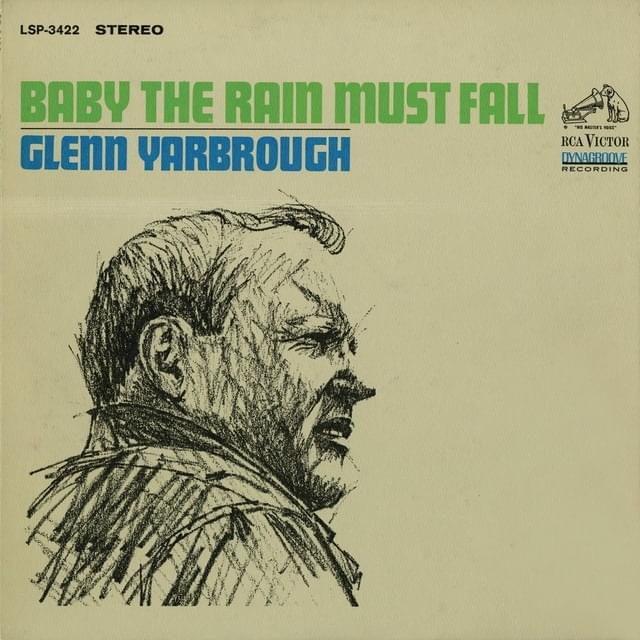
Glenn Yarbrough's "Baby the Rain Must Fall" is a deceptively simple folk ballad that excavates a deep vein of existential wanderlust. On the surface, it’s a lover's lament, an explanation—perhaps an apology—for an unanchored heart. But beneath the gentle melody and Yarbrough’s earnest delivery lies a portrait of a man compelled by forces beyond domesticity or comfort. The opening verse establishes this immediately, cataloging men driven by innate needs: climbing mountains, swimming seas, flying through the sky. These aren't choices, the lyrics suggest, but compulsions, echoing the "I am what I must be" line. This sets the stage for the central metaphor of the song.
The chorus anchors the song’s meaning. Rain and wind, forces of nature, become stand-ins for the inner drives that pull the narrator away from stability. "Baby, the rain must fall, baby, the wind must blow" isn't a passive acceptance of external forces, but an acknowledgement of an internal weather system. The refrain "Wherever my heart leads me, baby, I must go" speaks to a romantic ideal, but one tempered with a certain melancholy. It's not about a carefree adventure; it’s about heeding an unavoidable call, even if it causes pain. The repeated "I must go" emphasizes the lack of agency; he's not choosing to leave, he's *compelled*.
The song’s middle verse, with its rejection of material motivations ("I do not love for silver, I do not love for gold"), further clarifies the narrator's values. He's not chasing wealth or fame, but something more elusive and personal. The final verse, acknowledging uncertainty about the future ("Maybe heaven, maybe hell"), underscores the precariousness of his path. He's not even sure where this drive will lead, only that he cannot resist it. In the end, "Baby the Rain Must Fall" resonates because it taps into the universal tension between our need for connection and our equally powerful need for individual exploration, a conflict that defines much of the human experience.
 View Artist