Song Meaning
Gilberto Gil's "Patuscada de Gandhi" pulsates with the raw energy of a street procession, a vibrant tapestry woven from percussion and a spirit of joyful rebellion. The song’s essence lies not in complex narratives but in the immediate, visceral experience of Carnival—a moment where social hierarchies dissolve into a collective celebration. The opening litany of instruments—xequeré, agogô, rum, chocalho, tamborim—serves as an incantation, summoning the listener into the heart of the bloco. It's a sonic blueprint for the organized chaos about to unfold. The lyrics offer glimpses into this world. The repeated question, "Onde vai, papai ojô" (Where are you going, father ojô?), suggests a journey, a pilgrimage driven by rhythm and communal spirit. The response, "Vou depressa por aí / Vou fazer minha folia" (I'm going quickly around / I'm going to make my revelry), underlines the urgency and purpose of the procession: to create a moment of ecstatic freedom.
The explicit reference to the "filhos de Gandhi" (children of Gandhi) introduces a fascinating layer of meaning. It is not necessarily a literal connection to Gandhian philosophy, but rather a metaphorical alignment with principles of non-violent resistance and collective action. The "patuscada," a term that suggests a boisterous, even mischievous gathering, is thus imbued with a subtle undercurrent of social commentary. The line "É alinhada / Sai do meu bloco / Pra fazer a patuscada" (It's aligned / Get out of my bloco / To make the patuscada) hints at a sense of purpose and solidarity within the group, a conscious effort to create a space of joy and liberation. It's a pointed message of unity and shared intention.
The closing lines, "É mori, moriô, babá / Babá, ô, kiloxê, jocô," function as a rhythmic affirmation, a call-and-response that reinforces the communal bond. The nonsense syllables and repeated phrases create a hypnotic effect, drawing the listener deeper into the trance-like state of the Carnival procession. Ultimately, the song meaning of "Patuscada de Gandhi" transcends literal translation. It’s a celebration of collective identity, a sonic snapshot of a culture finding expression through rhythm, movement, and a shared commitment to joy, laced with an implicit nod to the power of peaceful collective action. The lyrics analysis reveals a deeper layer of meaning, hinting at the power of community and non-violent expression.
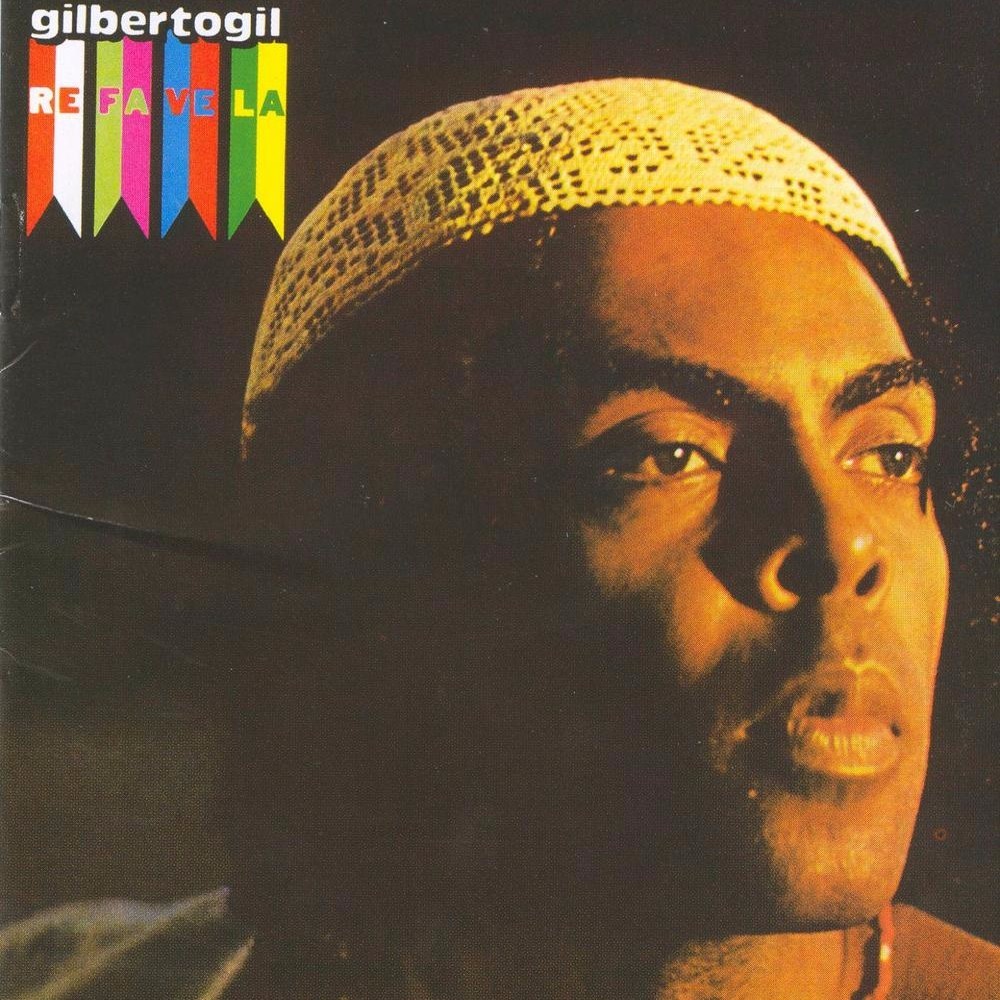
 View Artist