Song Meaning
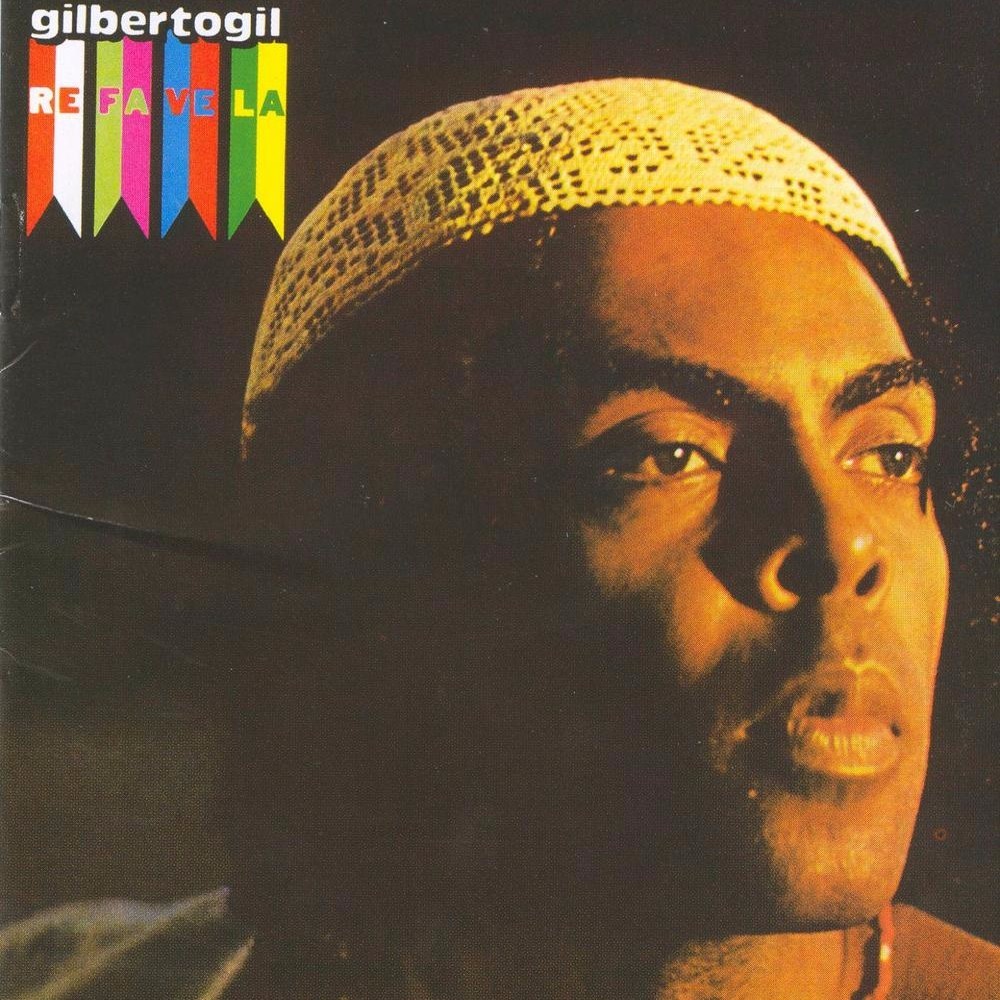
Gilberto Gil's "Balafon" isn't just a song; it's a sonic cartography of cultural connection. The track, seemingly simple on the surface, delves into the shared musical DNA linking disparate African and Afro-Diasporic traditions. The 'balafon,' a type of xylophone, serves as the central metaphor. Gil sings of its varying names across different regions ('Em cada lugar tem / O nome deve ser outro qualquer'), highlighting how a single musical idea manifests uniquely across diverse communities. This isn't about claiming ownership but rather celebrating a common heritage expressed through localized dialects of rhythm and melody.
The repetition of "Isso que toca bem, bem" (That which plays well, well) emphasizes the inherent pleasure and unifying power of music. It cuts through linguistic barriers and geographical distances. Gil name-checks "marimba" and other regional variants of the instrument, drawing a direct line between these traditions and illustrating how the balafon's essence persists even under different names. This act of naming becomes an act of recognition, a respectful acknowledgement of the diverse expressions of a shared cultural root.
The closing lines, a cascade of evocative, almost incantatory phrases like "Marim-bajé, Iré-xiré, Balafonjá, Orim-axé," further enrich the song's meaning. These phrases, likely drawing from various African languages and spiritual traditions, evoke a sense of ancestral memory and spiritual connection. They suggest that the balafon is more than just an instrument; it's a conduit to the past, a vessel carrying the collective spirit of a people. Gil masterfully transforms a simple observation about a musical instrument into a profound meditation on cultural unity and the enduring power of shared artistic expression.