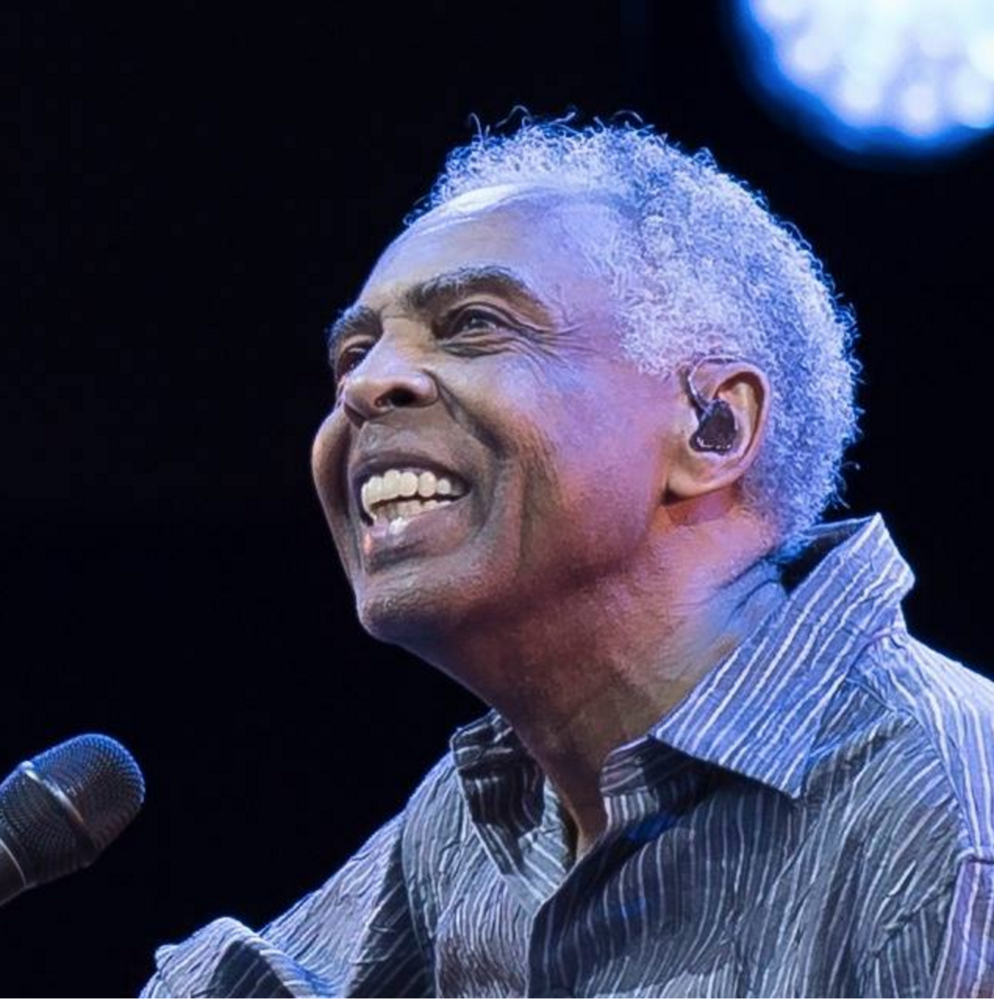
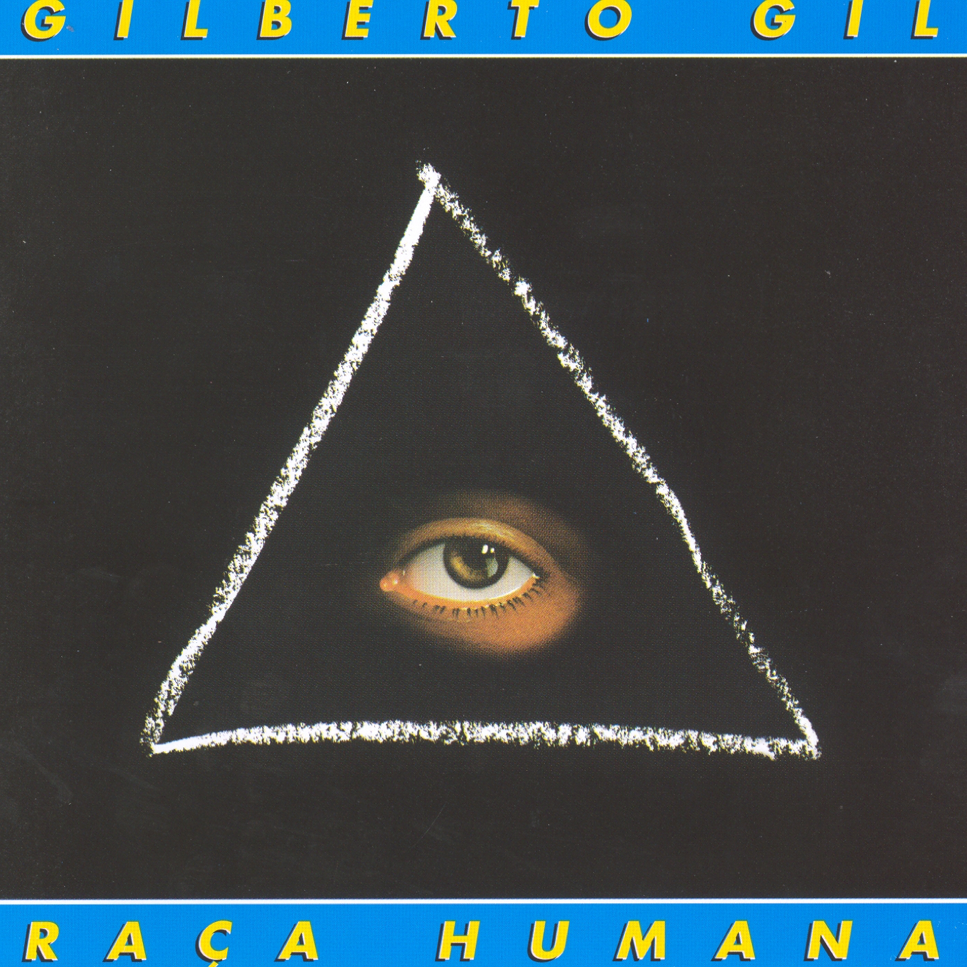
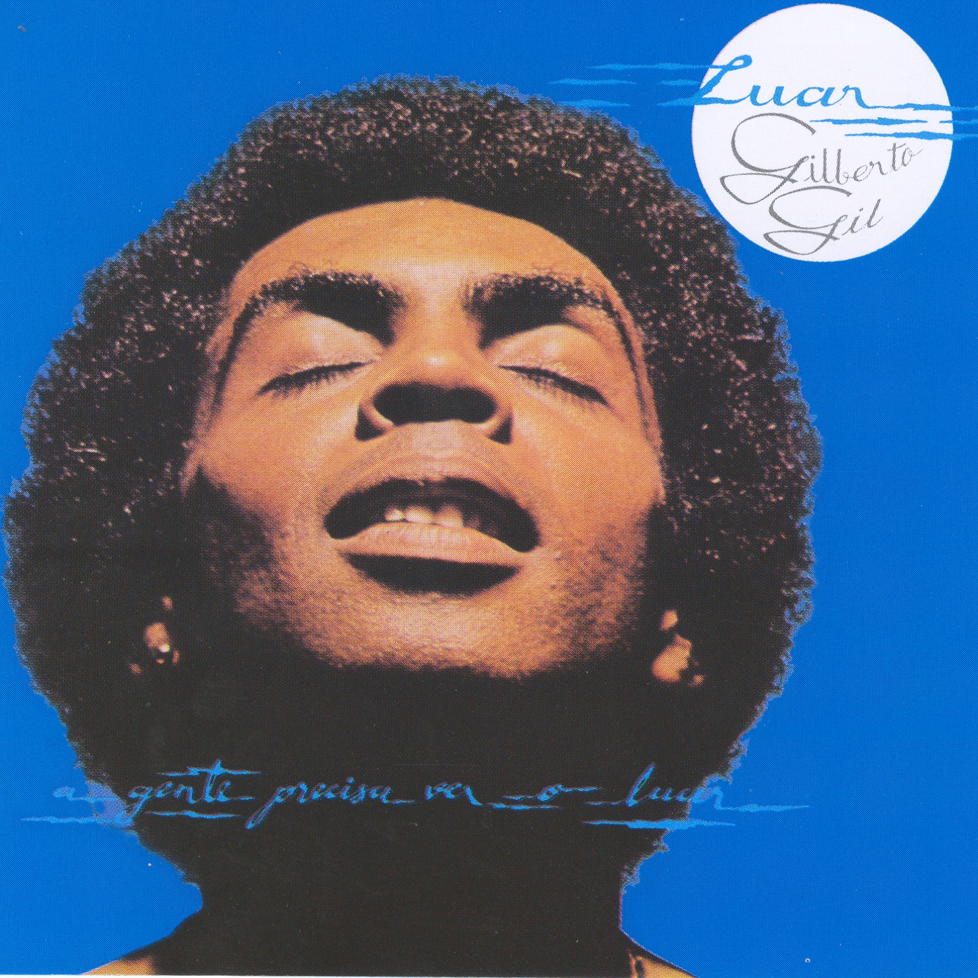
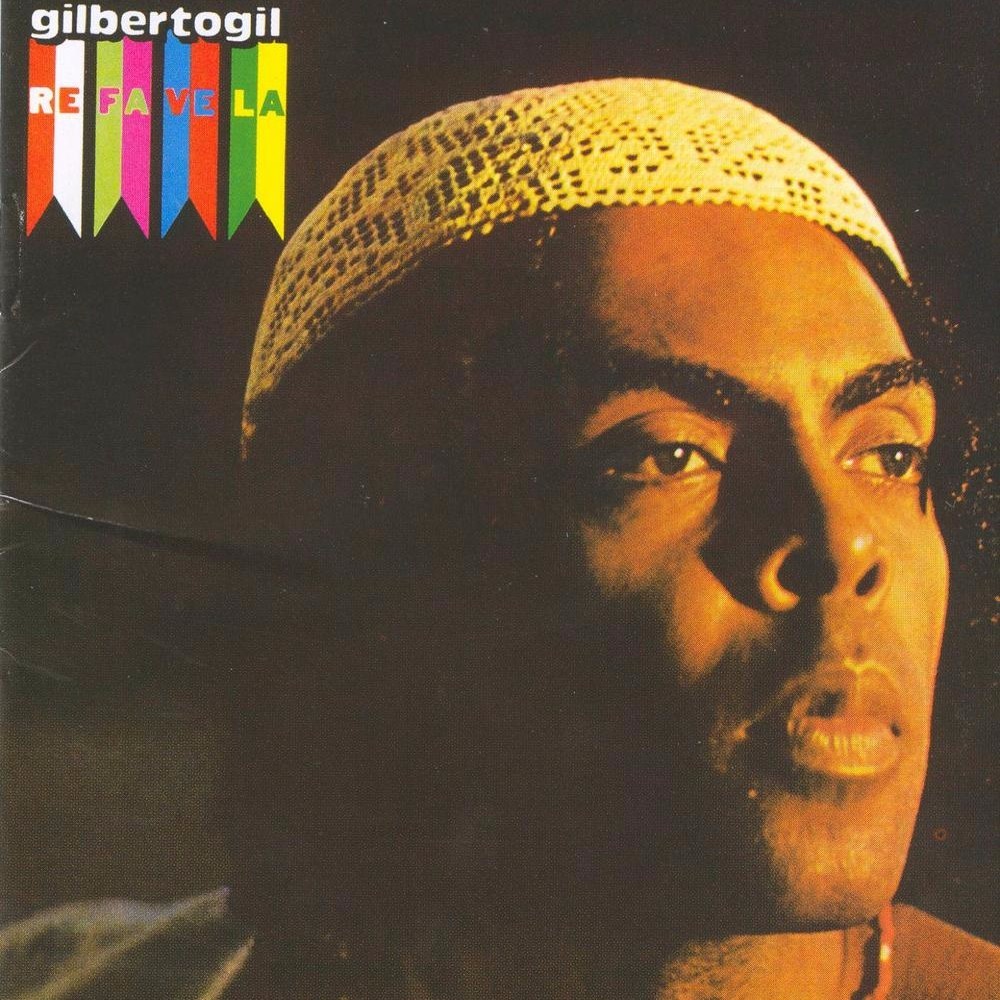
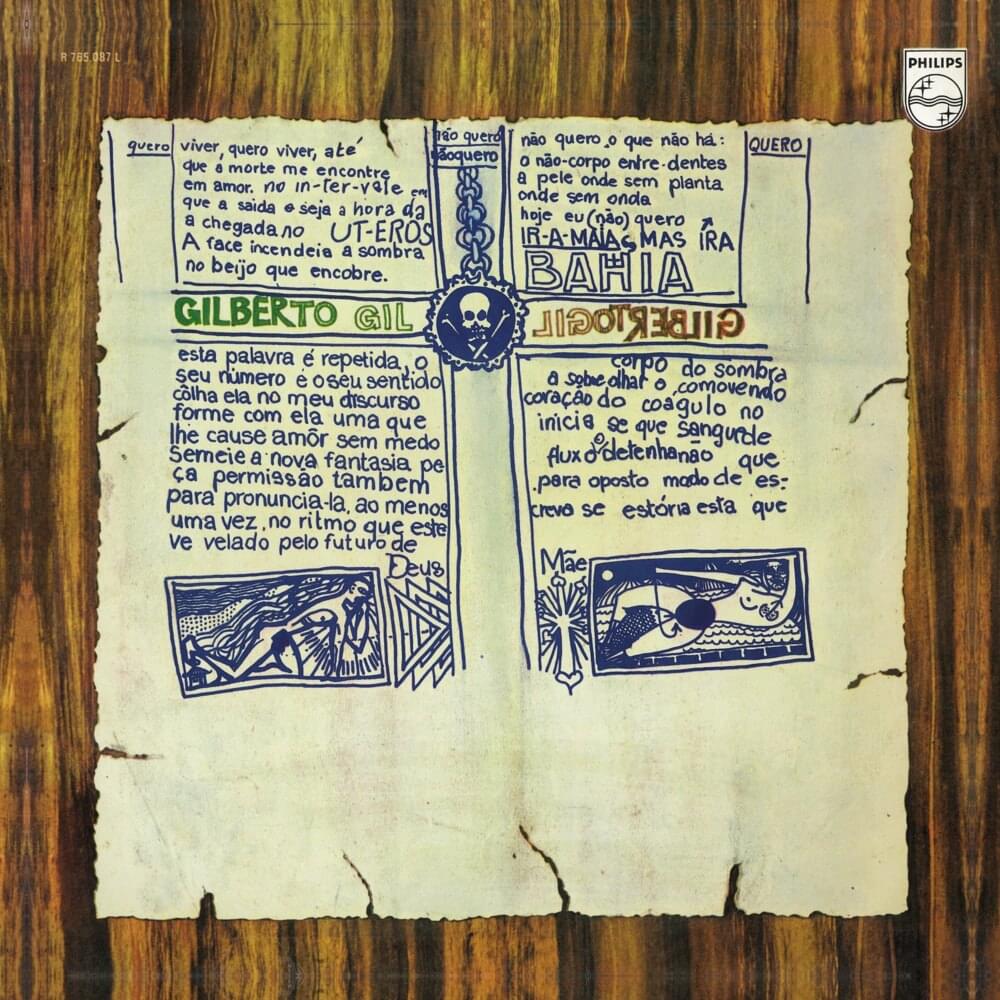
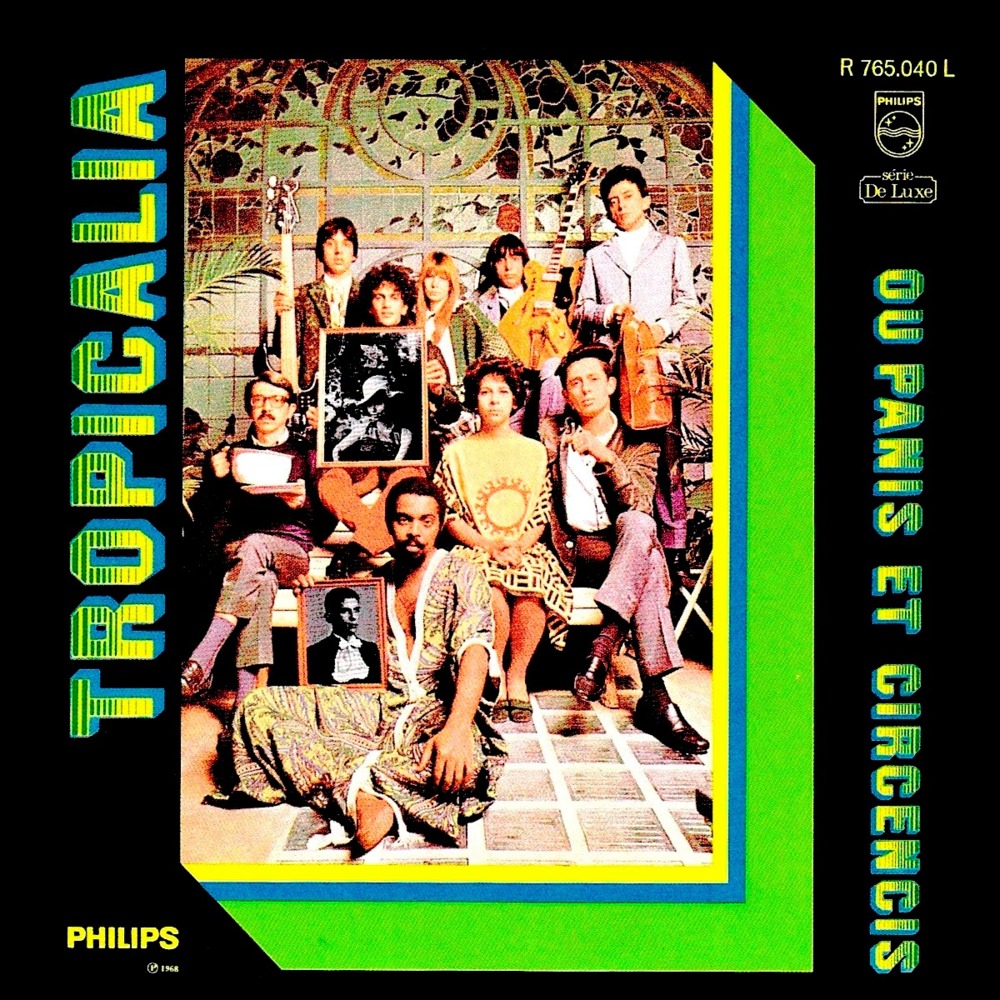
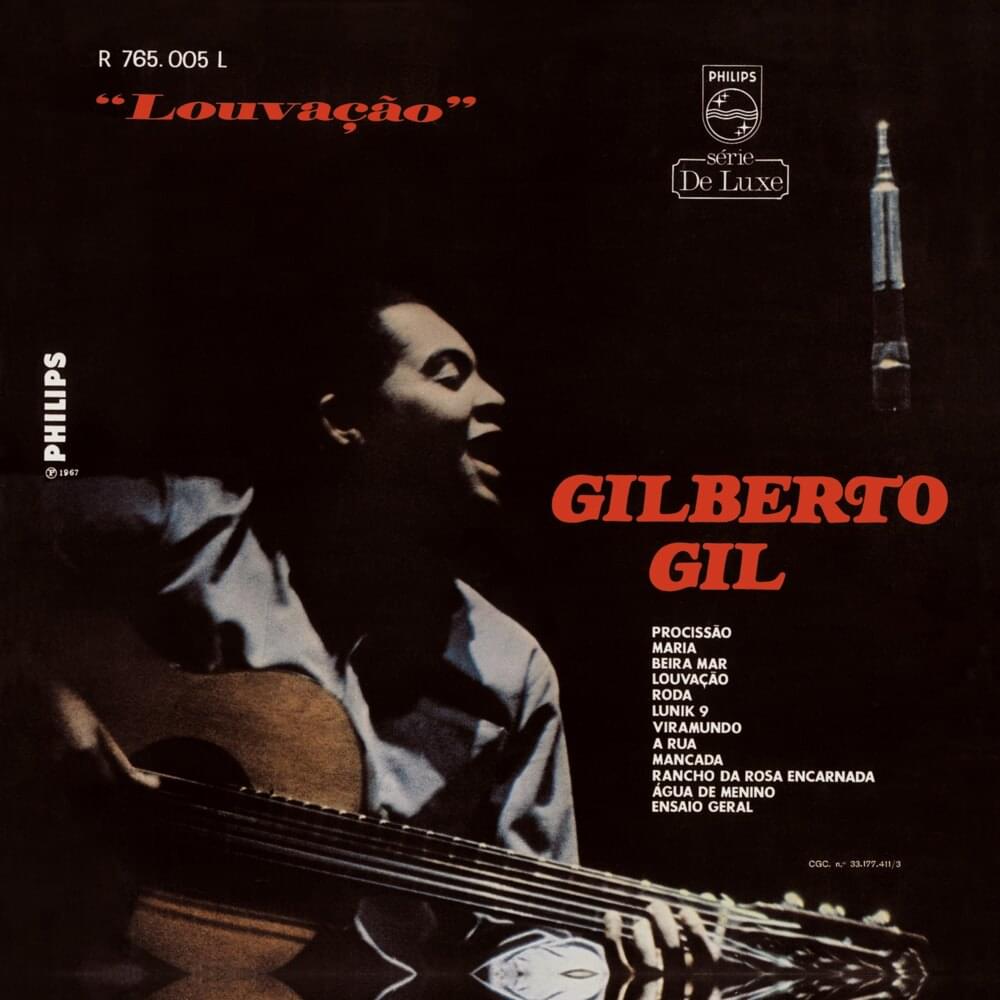
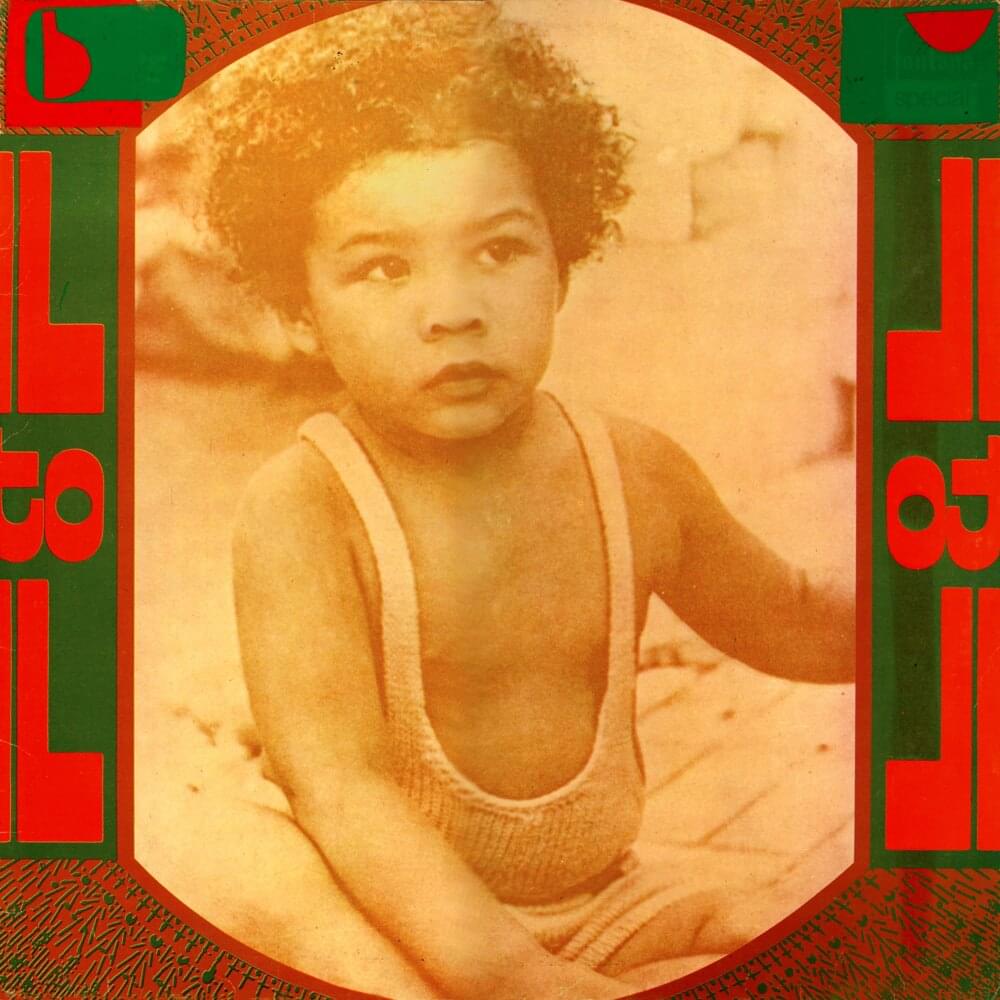
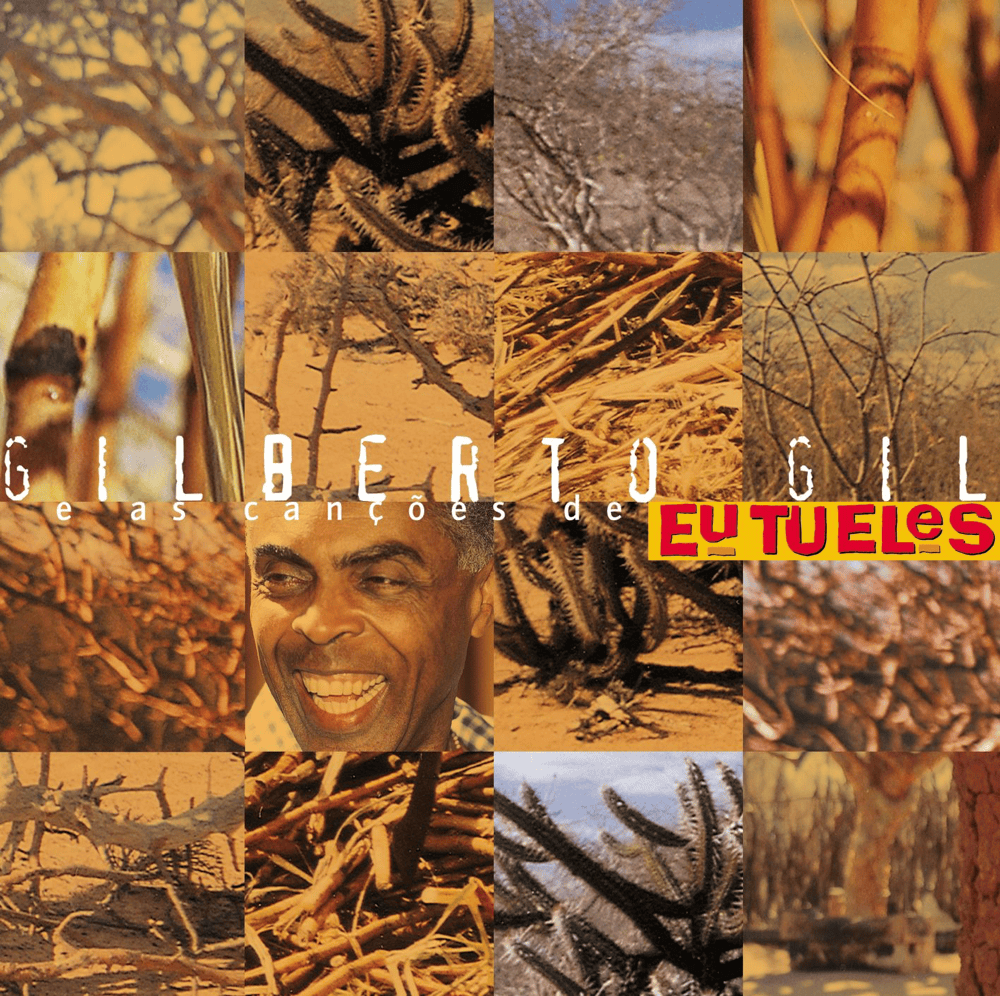
Gilberto Gil, a name synonymous with innovation and the vibrant sounds of Brazilian music, stands as a true icon. His career, spanning decades, is a testament to his restless creativity and his unwavering commitment to pushing musical boundaries. From his pivotal role in the Tropicalia movement to his forays into funk, reggae, and electronic music, Gil has consistently redefined what it means to be a Brazilian artist.
Born in Salvador, Bahia, Gil's musical journey began with the accordion, a foundation upon which he built a remarkably diverse and influential career. He quickly embraced the guitar and immersed himself in the burgeoning musical scene of the 1960s, where he met and collaborated with other visionary artists. This collaboration gave rise to Tropicalia, a revolutionary artistic movement that blended traditional Brazilian music with rock and roll, psychedelia, and avant-garde influences. Gil's contributions to this movement were significant, and his songs from this era remain timeless classics.
Beyond Tropicalia, Gilberto Gil has explored a myriad of musical styles. His willingness to experiment has led to collaborations with artists from around the world, further enriching his sound and broadening his appeal. He is an artist who isn't afraid to explore diverse themes in his lyrics, from love and spirituality to social and political commentary. His music often reflects the rich cultural tapestry of Brazil, incorporating elements of African rhythms, indigenous melodies, and European harmonies. One can hear this blend of influences in songs like Esotérico, a track that exemplifies his philosophical approach to songwriting.
Gil's music is deeply personal, and he pours his heart and soul into every performance. His concerts are legendary, filled with energy, passion, and a palpable connection with his audience. His ability to connect with people transcends language barriers, making him a beloved figure worldwide. The infectious rhythm of Eu Só Quero um Xodó is a testament to this connection, showcasing his ability to create music that is both deeply meaningful and irresistibly danceable.
Even his slower tracks resonate with a unique power. A song like Macapá showcases his ability to create a vivid soundscape, transporting the listener to the heart of Brazil. He is a master of storytelling, weaving intricate narratives through his music that explore the complexities of the human experience. His later work continues to show a drive for innovation, while always retaining the core elements that define his sound. He continues to surprise and delight fans with his ever-evolving musical vision. The upbeat and joyful sound of Toda Menina Baiana is another example of his positive and uplifting songwriting. Similarly, the rhythm of Balafon always gets people moving.
Gilberto Gil's impact on Brazilian music and culture is undeniable. His legacy extends far beyond the realm of entertainment, as he has also served as a cultural ambassador for his country, promoting its rich artistic heritage to the world. His music continues to inspire generations of artists and fans alike, and his contributions to the global music landscape will be celebrated for years to come. He created so many memorable songs, including Expresso 2222, which is a true classic.