Song Meaning
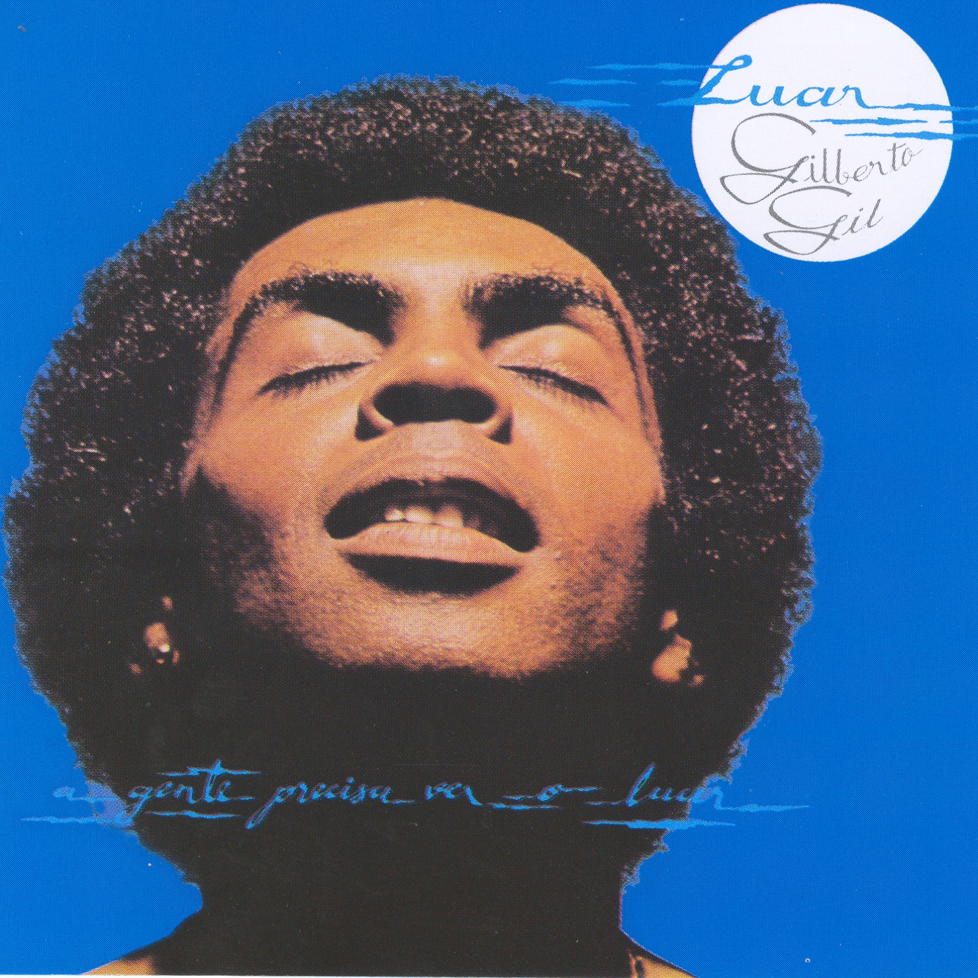
Gilberto Gil's "Luar (A Gente Precisa Ver o Luar)" isn't just a simple ode to the moon; it's a philosophical nudge, a gentle reminder of the power of experience in shaping our reality. The core sentiment, "A gente precisa ver o luar" (we need to see the moonlight), transcends the literal. Gil uses the moon as a symbol for those essential, almost primal experiences that ground us and confirm our connection to the world. It suggests a need to actively engage with beauty and wonder, rather than passively accepting their existence. The song speaks to a yearning for tangible proof, for direct sensory input, to validate what we intellectually understand.
The lyrics cleverly play with the tension between belief and seeing. The "dito popular" (popular saying) that we need to see to believe is both acknowledged and subtly challenged. Gil implies that the act of witnessing, of truly *seeing* the moonlight, is itself a form of creation. "Se a gente não vê, não há" (if we don't see it, it doesn't exist) highlights the subjective nature of reality. It's not enough for the moon to exist; we must actively participate in its existence through our perception. The moon becomes a shared experience, a cultural touchstone, only validated through collective witnessing.
Ultimately, "Luar" is about presence. It's an invitation to step outside, to disconnect from the abstract and reconnect with the concrete. The simplicity of the lyrics, the cyclical repetition of the central phrase, reinforces this idea. It's a call to action, urging us to seek out moments of clarity and connection in a world that often prioritizes the virtual over the real. The repeated question "Onde está?" (Where is it?) isn't just about the physical location of the moon; it's a broader inquiry into where we can find those grounding, validating experiences that make life meaningful.
 View Artist