Song Meaning
Gilberto Gil's "Maria (Me Perdoe, Maria)" isn't just an apology; it's a tender excavation of perception, expectation, and the limitations of easy comparisons. The song pivots on the central figure of Maria, whom the speaker implores for forgiveness. But what's he seeking absolution for? He confesses to failing to see the inherent joy in her laughter, instead measuring it against the simplistic ideal of blooming flowers and clear skies. He admits to focusing on the perceived sadness in her eyes, likening it to the grayness of sunless afternoons. It's a confession of projecting his own filters onto her, reducing her to a set of conventional, and ultimately inadequate, metrics of happiness. The song meaning is about the dangers of reducing a person to a set of stereotypes or superficial judgments.
The core of the song and its lyrical analysis rests in the gentle lesson the speaker imparts to Maria. He urges her not to be angry, and then offers a deceptively simple truth: "Nem todas as flores são flores / Nem toda beleza são cores" (Not all flowers are flowers / Not all beauty is colors). It's a dismantling of cliché, a recognition that beauty and joy exist far beyond the readily apparent. The genius of Gil's lyricism lies in this subversion. He's not just saying Maria's different; he's suggesting that her particular brand of beauty and love might be deeper, more profound, than the superficial ideals he initially sought.
The final verses cement this shift. The speaker acknowledges that Maria's smile might not resemble a flower, but then poses the crucial question: does the flower even possess the love that resides within her? This is the crux of the song's meaning. It's an understanding that true value lies not in conforming to external standards but in the unique, internal qualities that define an individual. The repetition of "Maria" at the beginning and end serves as both a plea for forgiveness and an affirmation of her intrinsic worth, a worth that transcends simple comparisons.
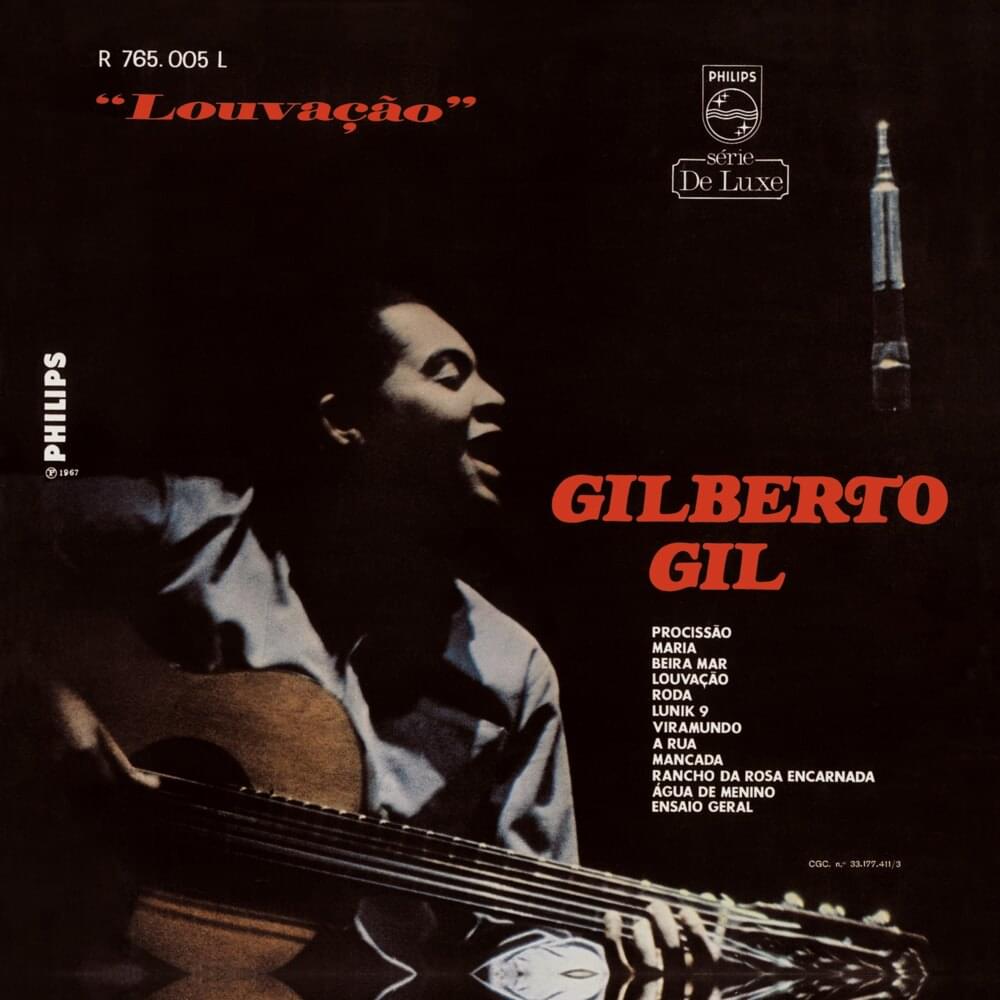
 View Artist