Song Meaning
Gilberto Gil's "Viramundo" is a twisting, turning declaration of resilience against fate, a sonic embodiment of the 'viramundo' itself – the wanderer, the turned-around one. The lyrics, sung in Portuguese, paint a portrait of someone perpetually in motion, dodging life's "desatinos" (absurdities) with a mix of cunning and courage. It’s not just about surviving, but about actively choosing a life of struggle over a predetermined destiny, preferring the fight to a passively accepted fate. This speaks to a deep-seated human desire for agency, for the ability to shape one's own narrative even when confronted with overwhelming odds. Gil isn't romanticizing hardship; he's acknowledging its inevitability and asserting the power to meet it head-on. The recurring theme of 'turning the world' suggests a revolutionary spirit, a desire to transform the existing order, even if that order is personified by an 'astuto, mau e ladrão' (astute, evil, and thieving) figure.
The song's cyclical structure, with the repeated phrase "Sou viramundo virado," reinforces the idea of constant change and adaptation. The 'viramundo' isn't just someone who travels; they are someone who is transformed by their travels, constantly being reshaped by the world around them. This reflects a core psychological truth: our identities are not fixed, but rather fluid and ever-evolving in response to our experiences. The juxtaposition of 'sertão' (the Brazilian backlands) with the promise of turning the world into 'festa, trabalho e pão' (party, work, and bread) highlights a yearning for a more equitable and joyful existence, suggesting that even from the most desolate landscapes, hope and transformation can emerge.
Beneath the surface of the lyrics lies a commentary on power dynamics and social justice. The 'virador deste mundo' (the turner of this world) being described as 'astuto, mau e ladrão' hints at a critique of those who manipulate the world for their own gain. The song becomes a call to action, urging listeners to become 'viramundos' themselves, to challenge the status quo and work towards a world where everyone has access to celebration, labor, and sustenance. It is a song about embracing the chaotic nature of life, finding strength in vulnerability, and never surrendering the fight for a better world. Gil delivers a timeless message about human resilience, adaptation, and the enduring pursuit of a more just and equitable society.
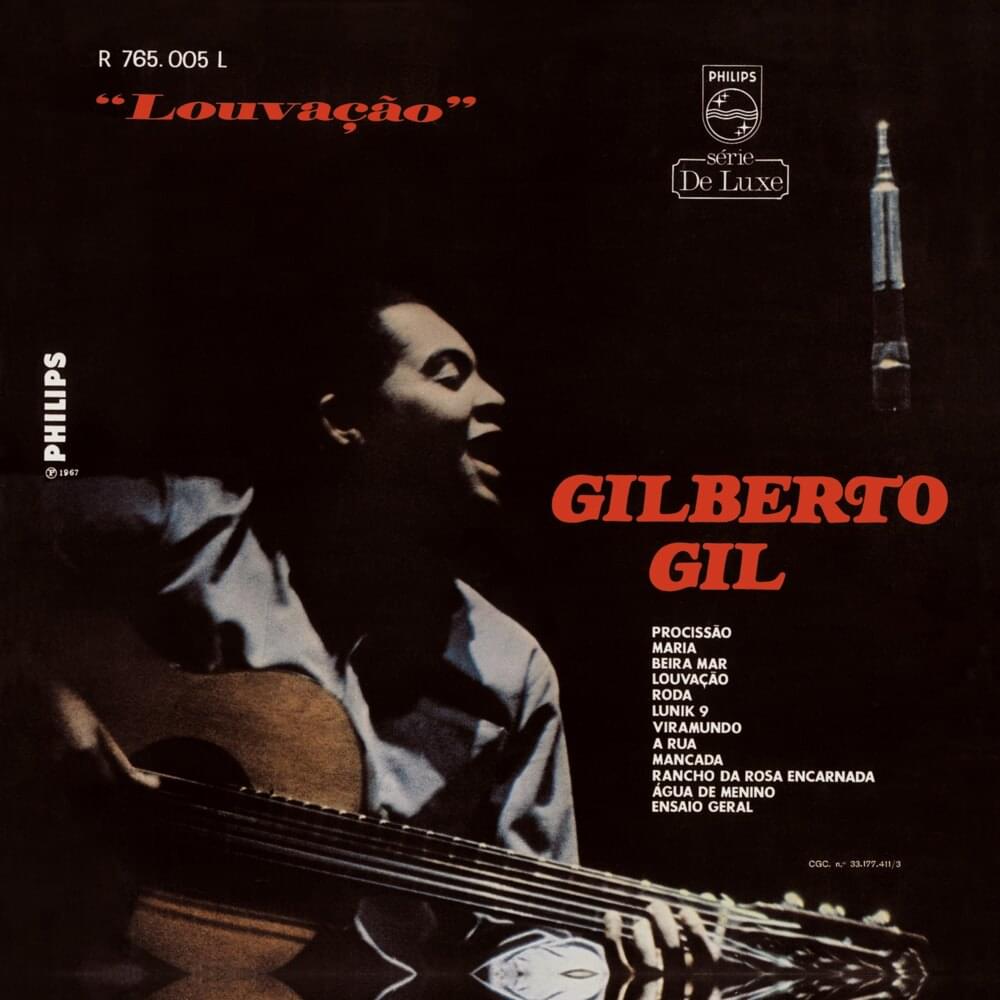
 View Artist