Song Meaning
Gilberto Gil's "Doente, Morena" paints a portrait of languid captivity, a state both self-imposed and inflicted by the titular *morena*. The lyrics sketch a scene of domestic imprisonment: the woman leaves early, taking the key, leaving the narrator locked inside all day. Yet, the immediate response is striking in its passivity: "Não ligo" ("I don't care"). This isn't a cry for help, but an embrace of inertia, a willful surrender symbolized by the image of lying on train tracks, watching life rush by. The 'treasures of youth' scattered around – toys, cigarettes – hint at a nostalgic regression, a retreat from adult responsibility into a more comfortable, if ultimately stultifying, existence. The song meaning, therefore, hinges on the tension between confinement and acceptance.
The internal world of the narrator provides the only escape. When he sings, imagination takes flight, a crucial detail that underscores the power of artistic expression as a coping mechanism. This suggests the imprisonment is not merely physical, but also psychological – a feeling of being trapped in a life devoid of immediate purpose. However, the tone shifts with the memory of a recent intimate moment. The woman's hand on his hair, her promise of a beach trip in the summer, introduces a glimmer of hope, a potential future beyond the locked room.
The song's brilliance lies in its ambiguity. Is the *morena* a jailer or a savior? Is the narrator a victim or an accomplice in his own confinement? The promise of the beach is tantalizingly vague. It could represent genuine liberation, or merely another form of control, a temporary reprieve to maintain the status quo. Ultimately, "Doente, Morena" is a complex exploration of dependence, escapism, and the delicate balance between freedom and security. Gil's masterful use of imagery and understated emotion leaves the listener pondering the true nature of the narrator's illness and the woman who holds the key.
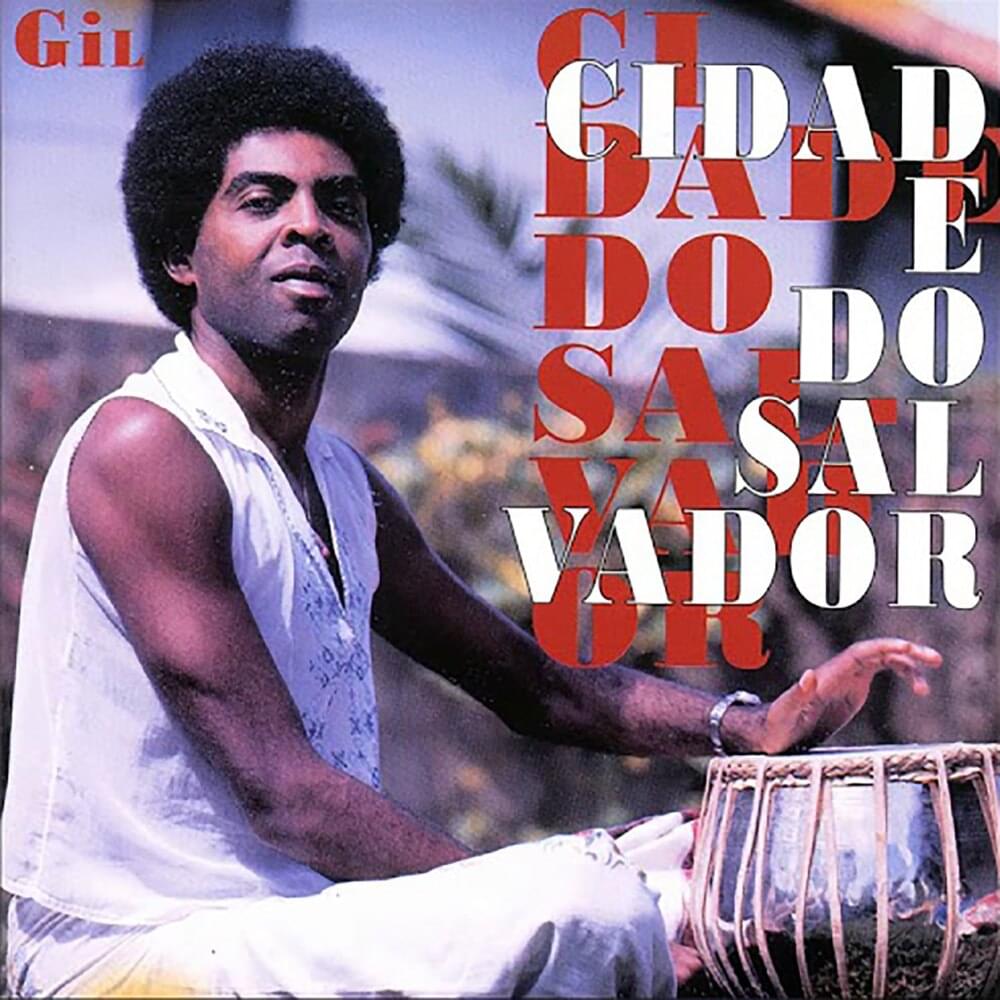
 View Artist