Song Meaning
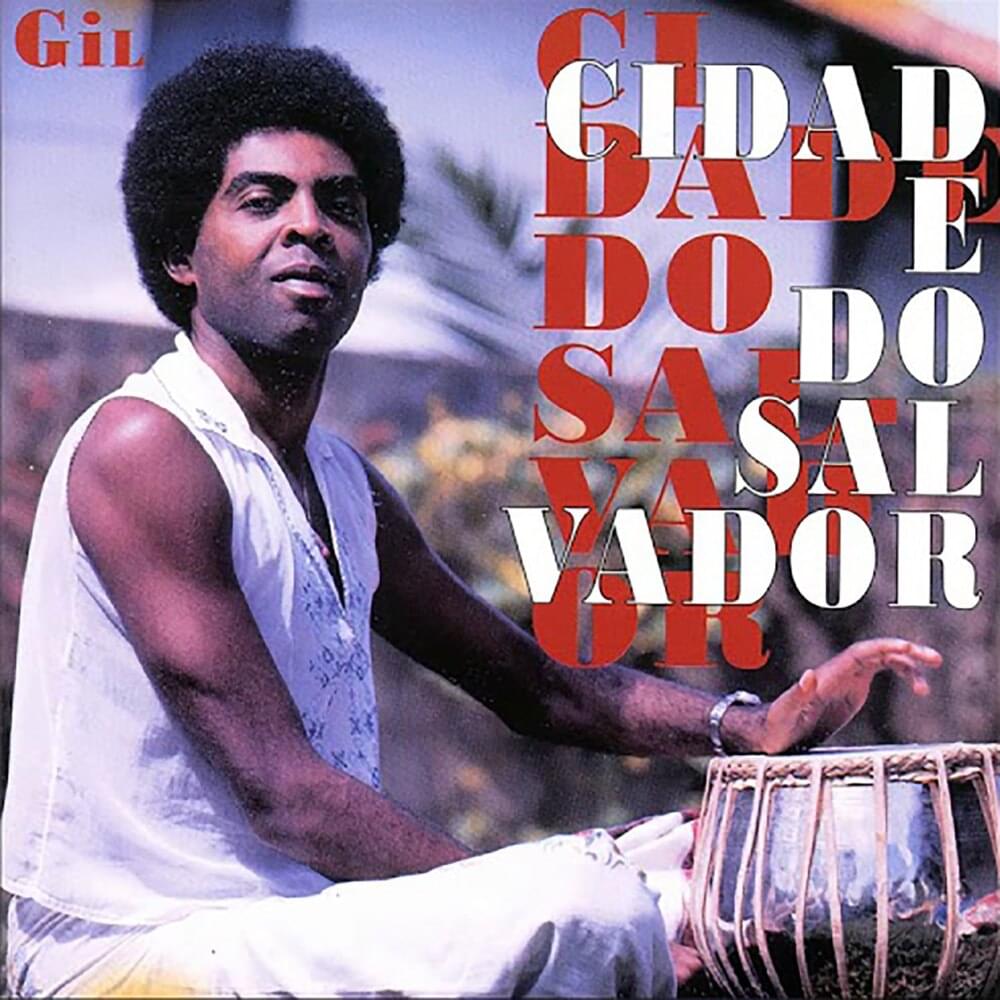
Gilberto Gil's "Cidade do Salvador" isn't a postcard. It's a raw nerve exposed, a spiritual reckoning with pain and a fragile hope for redemption. The song, steeped in repetition, uses cyclical lyrics to mimic the inescapable nature of suffering. The opening lines, fixated on 'dor' (pain), establish a landscape of anguish. This isn't just physical pain; it's existential, a weight carried by the city itself. The 'cruz' (cross) evokes religious suffering, a burden Gil seemingly accepts ('A dor mereço'), hinting at themes of guilt or collective sin. The 'sono lunar' (lunar sleep) offers a temporary escape, a numbing but ultimately insufficient solace.
The dream sequence shifts the perspective, expanding the scope of suffering to encompass the entire earth ('A terra inteira'). Yet even in dreams, there's no true refuge; the vision is 'aterrador' (terrifying). The ocean imagery ('mar, maremoto') introduces a sense of overwhelming force, a destructive power both distant ('remoto') and immediate. The question, 'Teria Deus pra nos salvar?' (Would God have us save us?), hangs heavy, a desperate plea for divine intervention amidst the chaos. It's a stark acknowledgement of human vulnerability in the face of immense, perhaps insurmountable, challenges.
Ultimately, "Cidade do Salvador" finds a fragile anchor in faith ('fé'). Repetition here transforms from a lament into a mantra. 'Só a fé' (only faith) becomes the lifeline, the only pathway to 'felicidade' (happiness) within the 'Cidade do Salvador' – the city that is, paradoxically, both the source of pain and the potential site of salvation. The concluding return to 'dor' acknowledges that suffering isn't erased, but perhaps faith provides the strength to endure it. Gil doesn't offer easy answers; he presents a complex, emotionally resonant portrait of a city grappling with its pain, seeking solace in faith amidst a world of turmoil.
 View Artist