Song Meaning
The lyrics paint a picture of life as a transient, ever-moving entity, urging the listener to embrace this nature. The opening lines, "Corra, não pare, não pense demais" (Run, don't stop, don't overthink), immediately establish a tone of urgent motion and a rejection of hesitation. This is reinforced by the image of "velas no cais" (sails at the dock), suggesting departure and the inherent instability of existence, which the narrator directly labels as "cigana" (gypsy-like).
The central metaphor is life as a "caravana" (caravan), a nomadic collective constantly on the move, and also as a "pedra de gelo ao sol" (ice stone in the sun). This latter image is particularly striking, highlighting ephemerality and inevitable dissolution. The melting ice, however, has a transformative effect, as it "Degelou teus olhos tão sós / Num mar de água clara" (It thawed your lonely eyes / In a sea of clear water). This suggests that the transient nature of life, while perhaps daunting, can also lead to clarity and the thawing of isolation.
The repetition of the core verses emphasizes the cyclical and persistent nature of this advice and observation. The structure, with its direct commands and vivid, contrasting imagery, creates a sense of both urgency and gentle revelation. The shift from the abstract concept of a gypsy life to the concrete image of melting ice and then to the emotional state of one's eyes is a masterful touch, grounding the philosophical in the personal.
Ultimately, these lyrics resonate because they capture a universal feeling of life's fleetingness and the potential for emotional awakening within that impermanence. The craft lies in its concise, evocative language and the powerful, contrasting metaphors that suggest that even in constant movement and dissolution, there is a path to seeing more clearly.
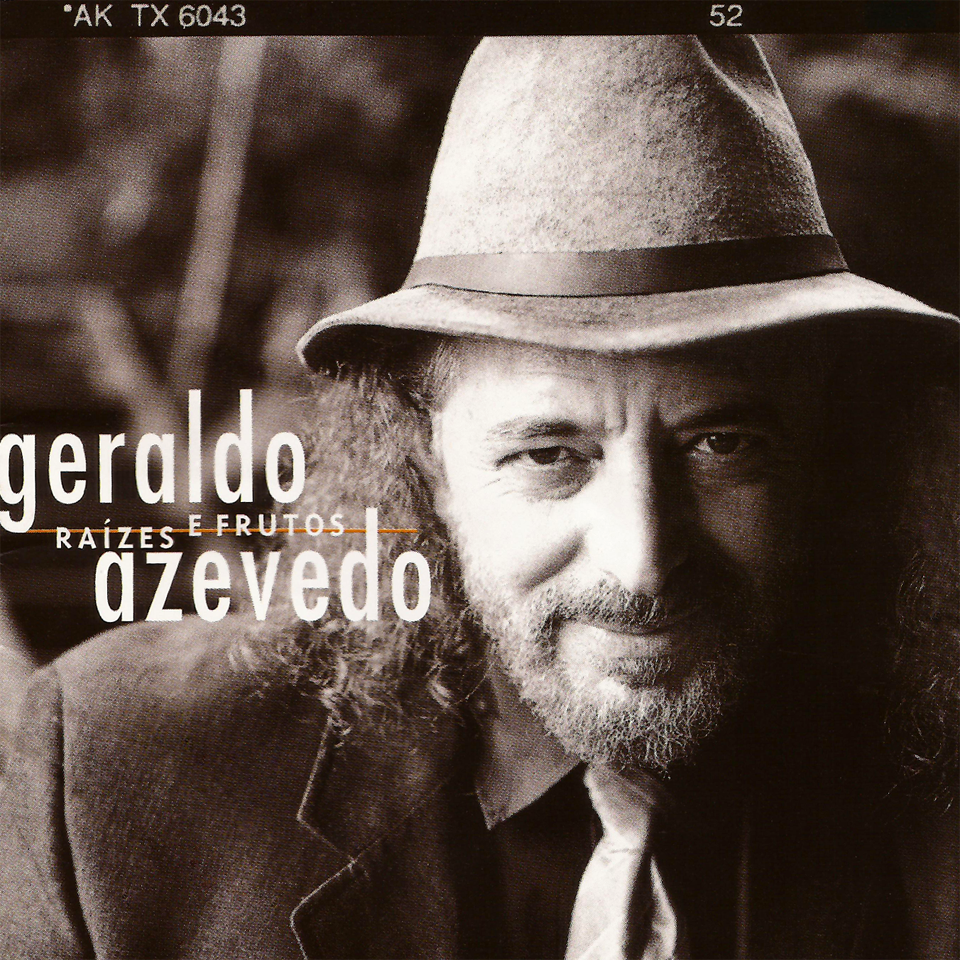
 View Artist