Song Meaning
The lyrics paint a vivid picture of departure and longing, anchored by the imagery of the São Francisco River. The opening verse establishes a scene bathed in sunlight, where a "sereia de além-mar" (mermaid from overseas) captivates the narrator, blurring the line between reality and vision. This encounter, described as "clara como o clarão do dia" (clear as the daylight's glare), leaves a lasting impression, "marejou meu olhar" (watered my gaze). The narrator then invokes the "Barcarola do São Francisco," a boat song, as a vessel to carry them "para amar" (to love), suggesting a desire for connection and perhaps a romantic quest.
The second verse shifts to a "domingo de lua" (Sunday of the moon) and the narrator's departure from "Jatobá." This departure is framed as a hopeful, albeit uncertain, movement "indo a outro lugar" (going to another place). The "Barcarola do São Francisco" is now sailing "no mar" (on the sea), adrift "sem leme, mapa ou tesouro" (without rudder, map, or treasure), guided only by the "luar de prata" (silver moonlight). This imagery evokes a sense of being lost yet guided by an ethereal light, a journey propelled by internal feeling rather than external direction.
The chorus introduces a powerful, dreamlike image: a "beija-flor" (hummingbird) tearing through afternoons, seeking "em outro céu" (in another sky). This is juxtaposed with "noite longe que ficou em mim" (a distant night that remained in me), a lingering darkness or memory the narrator wishes to recall. The hummingbird's frantic search mirrors the narrator's own quest, a restless pursuit of something elusive, perhaps love or a lost past, under a different sky, away from the lingering night within.
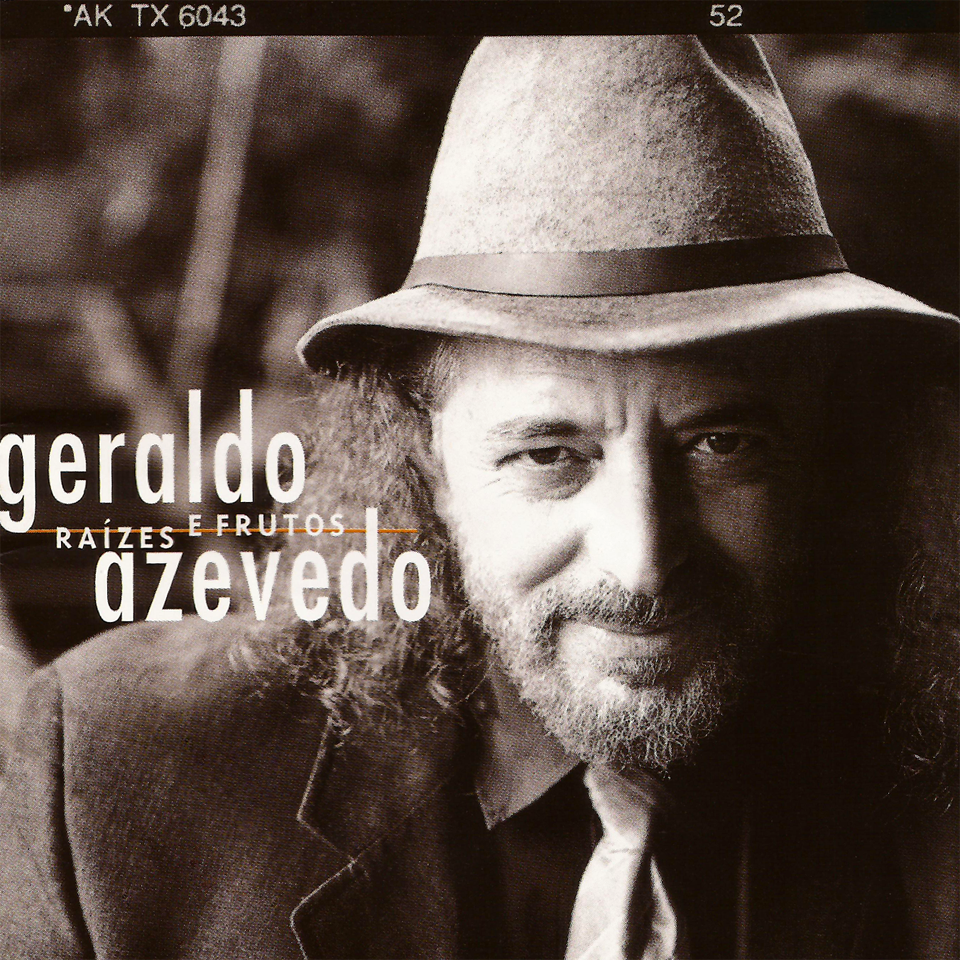
 View Artist