Song Meaning
The lyrics paint a picture of a hopeful, yet conditional, offer of love and companionship. The narrator extends an invitation, promising the sun or the rain, whatever the day brings, as long as the other person comes along. This isn't about grand, guaranteed gestures, but about sharing whatever reality unfolds, from a simple town square to the edge of the sea. The core sentiment is a willingness to be present, no matter the circumstances.
The central tension lies in the repeated conditional phrasing: "Se você vier" (If you come) and "Se hoje o sol sair / Ou a chuva / Se a chuva cair" (If today the sun comes out / Or the rain / If the rain falls). This suggests the narrator's commitment is contingent on the other person's arrival and the unpredictable nature of life itself. The "dia branco" (white day) is presented not as a preordained perfect moment, but as a day that *becomes* white, or perhaps blank, if the beloved is present and their love is expressed.
The most striking craft element is the subtle yet persistent qualification of the promises. The narrator doesn't guarantee sunshine, but offers it *if* it comes out. Similarly, they offer rain *if* it falls. This careful wording emphasizes that the value isn't in controlling the external world, but in the shared experience of it. The phrase "esse tanto, esse canto de amor" (this much, this song of love) in the chorus, evolving to "esse tão grande amor" (this so great love), shows a progression from a measured affection to a more profound declaration, but still tied to the condition of the beloved's presence.
Ultimately, these lyrics resonate because they capture a relatable human desire for connection amidst uncertainty. The narrator's willingness to embrace whatever comes, as long as it's shared, feels authentic. The repeated "Comigo" (With me) at the end solidifies the plea for shared presence, making the offer of love feel grounded and deeply personal, rather than abstract or performative.
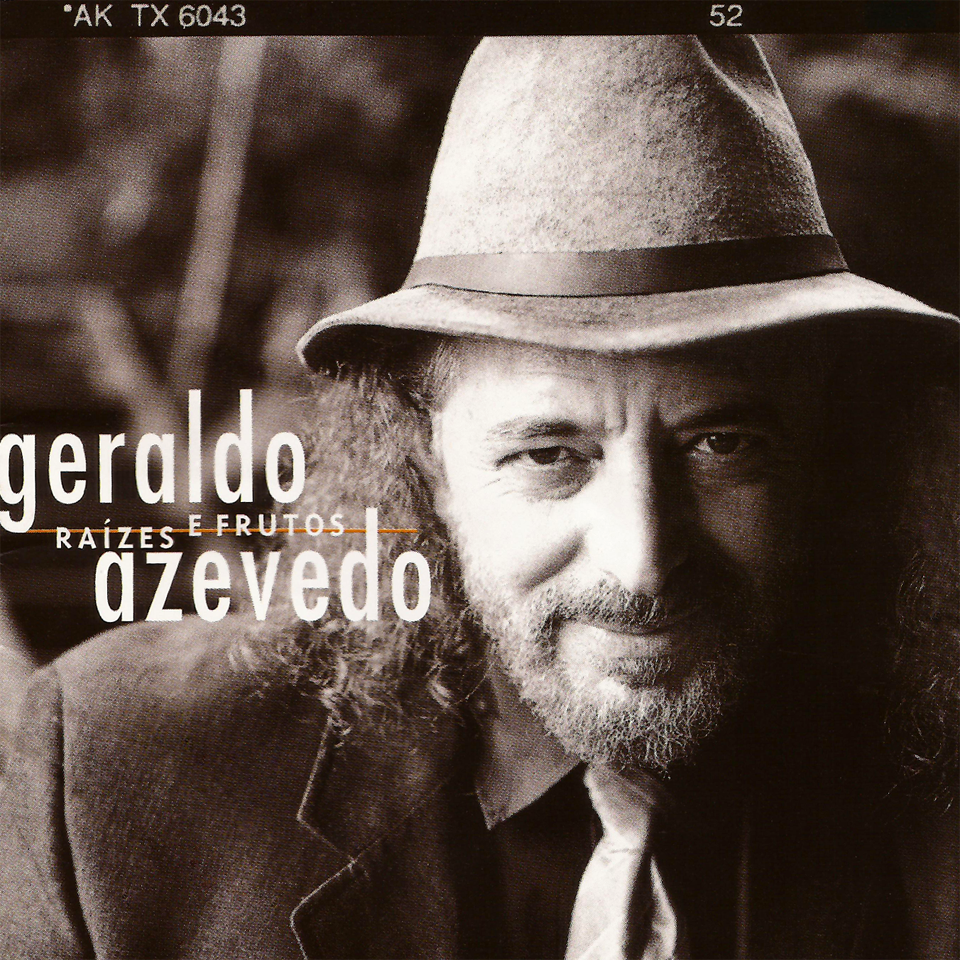
 View Artist