Song Meaning
These lyrics paint a vivid picture of an urgent invitation to a life unburdened by routine. The speaker beckons a loved one to step into a shared future defined by freedom and spontaneity. It's a hopeful, liberating call to reimagine existence together.
The central tension here lies in the stark contrast between a life lived "Sans projets et sans habitudes" and the promise that "Nous pourrons r'ver notre vie." This isn't just about escaping; it's about actively constructing a new reality. The lyrics suggest a deep yearning to break free from the predictable and embrace the unknown, hand-in-hand.
The craft truly shines in the powerful repetition of key phrases. The declaration "Tout est possible, tout est permis" echoes twice, building an undeniable sense of boundless potential. Even more striking is the imagery of "mots qui vibrent / Sur les murs du mois de mai," personifying the season itself as a messenger of change, whispering assurances that "tout peut changer un jour."
Ultimately, these lyrics are effective because they tap into a universal desire for liberation and connection. The direct address, "Viens, je suis là, je n'attends que toi," makes the invitation deeply personal and irresistible. By combining this intimate plea with grand promises of shared freedom, the writing creates a compelling vision of a life where love and possibility intertwine.
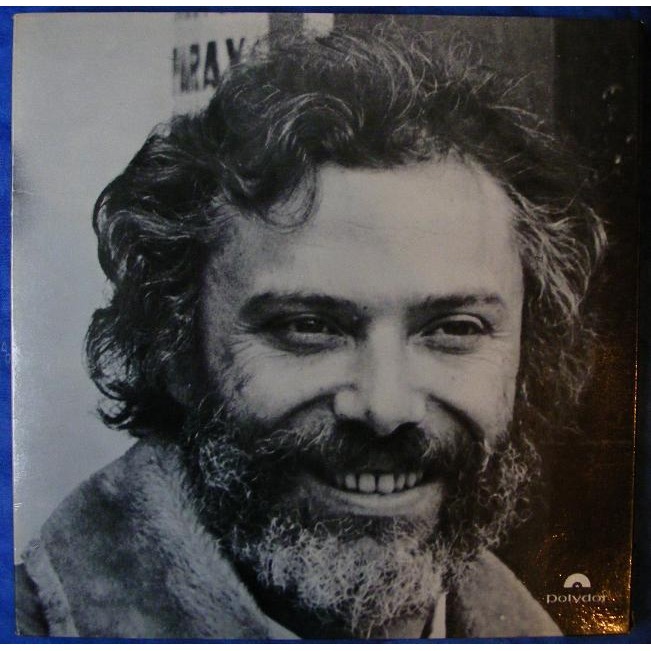
 View Artist