Song Meaning
The lyrics paint a picture of an elderly man finding a quiet, almost detached contentment in his present life. He sits in his rocking chair by the fire, reading his newspaper, and expresses a profound indifference to the world's ups and downs. This isn't apathy born of despair, but a hard-won peace, a deliberate choice to "m'en bascule" – to let it all roll off his back. The repetition of this phrase underscores his settled state, a gentle rocking motion mirroring his physical and emotional posture.
This tranquility is juxtaposed with the echoes of a vibrant, active past. He recalls fighting wars, participating in protests, and traveling the world, activities that once defined him. The contrast between his youthful engagement and his current detachment is stark. He acknowledges he can no longer "play sheriff," nor does he feel the need to. His past experiences, once sources of passion and perhaps conflict, now seem distant, viewed with a seasoned perspective that prioritizes present peace.
The most striking element is the narrator's direct confrontation with mortality. He states plainly, "Maintenant j'attends la mort" (Now I await death), yet this isn't a morbid pronouncement. It's delivered with the same calm resignation as his indifference to the news or the weather. The final stanza, recalling a past love and dismissing its memory with a colloquialism that echoes "m'en bascule," further solidifies this attitude. It suggests that even potent past emotions are now viewed through the lens of his current, unshakeable equilibrium.
Ultimately, the power of these lyrics lies in their portrayal of a life lived fully, now settling into a profound, almost Zen-like acceptance. The narrator has navigated the complexities of war, politics, and love, and has arrived at a place of quietude. His indifference isn't emptiness, but the quiet hum of a soul at peace, ready to face the inevitable without regret or agitation.
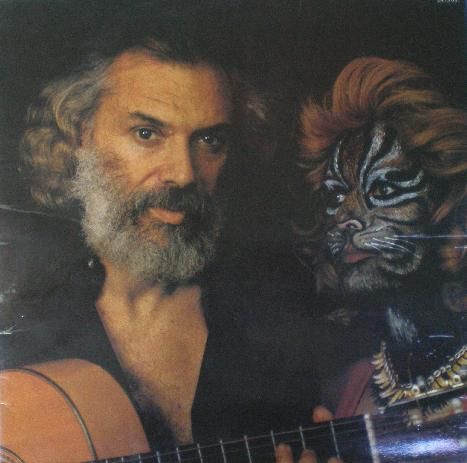
 View Artist