Song Meaning
The lyrics paint a picture of a wistful, almost regretful reflection on the life of Joseph, the husband of Mary. The opening lines establish a tone of gentle admonishment, suggesting Joseph's current predicament stems from a singular, pivotal choice: selecting Mary among the women of Galilee. This sets up a narrative that is less about condemnation and more about a sympathetic, albeit slightly exasperated, musing on the consequences of that decision.
The central tension arises from the "what ifs" that haunt the narrator. The repeated phrase "Tu aurais pu" (You could have) emphasizes alternative paths Joseph might have taken – choosing other women, staying home, or even just having a conventional family life. These imagined scenarios highlight the extraordinary, perhaps burdensome, nature of the life Joseph actually chose, a life marked by exile and the unique circumstances surrounding his child.
The most striking aspect is the subtle shift in focus from Joseph's choices to the suffering of his son and wife. The narrator questions why Joseph's child had to have "strange ideas" that caused Mary so much sorrow, and later laments that Joseph, who only wanted a simple life with Mary, is now the subject of ridicule. This framing suggests that Joseph's initial choice, while perhaps driven by love or destiny, ultimately led to unforeseen pain and public scrutiny for his family.
Ultimately, the lyrics resonate through their portrayal of a life derailed from simple happiness by extraordinary events. The narrator's "pauvre ami" (poor friend) sentiment underscores a deep empathy for Joseph, who is presented not as a figure of divine importance, but as a man whose life took an unexpected, difficult turn after a choice rooted in personal preference. The effectiveness lies in this grounded, humanizing perspective on a well-known biblical figure, focusing on the quiet sacrifices and sorrows rather than grand pronouncements.
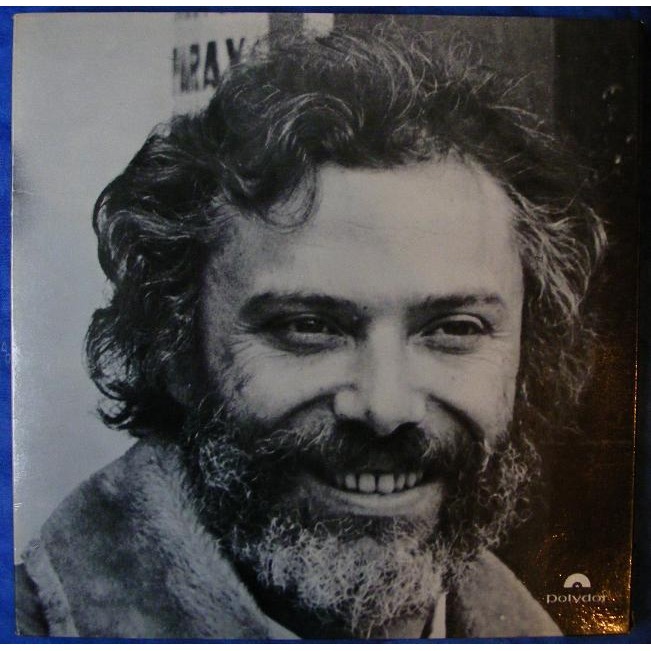
 View Artist