Song Meaning
Juliette Gréco's interpretation of "Sous le Ciel de Paris" (Under the Sky of Paris) is less a geographical observation and more a psychological portrait of a city's soul. The song's meaning unfolds through vignettes – lovers, philosophers, musicians – all existing beneath the overarching presence of the Parisian sky. Gréco isn't just singing about Paris; she's embodying its spirit, a collective consciousness shaped by centuries of love, loss, and resilience. The recurring "Hum Hum" acts as a subtle nod, an intimate acknowledgment of shared experience. It suggests a deeper understanding between the singer and the listener, a knowing glance that transcends mere observation. The lyrics paint Paris not as a static monument but as a living, breathing entity. The sky itself becomes a character, capable of joy, jealousy, and even remorse. This anthropomorphism isn't mere poetic license; it reflects the Parisian tendency to project human emotions onto their surroundings, to see the city as a reflection of their own inner lives.
Beneath the romantic surface, the song hints at the city's undercurrents. References to "clochards et les gueux" (tramps and beggars) and the potential for "un drame" near Notre Dame acknowledge the hardships that coexist with Parisian beauty. Yet, even in these shadows, there's a sense of hope and resilience. The lyric "Tout peut s'arranger" (everything can be arranged) speaks to the Parisian ability to find solutions, to adapt and overcome adversity. The accordion, a recurring motif, further underscores this sense of resilience. It's the sound of the common people, a symbol of enduring spirit in the face of hardship. The song, at its core, is about the enduring power of community and the ability of art to transform individual pain into collective hope.
The analysis of "Sous le Ciel de Paris" reveals a sophisticated understanding of human psychology. The song acknowledges the complex interplay between environment and emotion, the way a city can shape the lives and identities of its inhabitants. Gréco's interpretation, infused with her signature blend of cynicism and tenderness, invites us to contemplate the meaning of belonging, the power of shared experience, and the enduring allure of a city that continues to inspire and captivate. The song acts as both a love letter and a melancholic reflection on the cyclical nature of urban life, where joy and sorrow, hope and despair, are forever intertwined under the watchful gaze of the Parisian sky. It is a reminder that even in the face of adversity, the human spirit, like the city itself, can endure and even flourish.
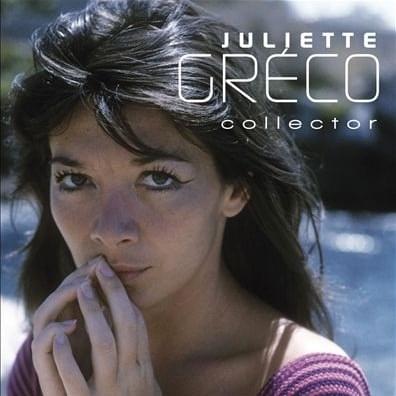
 View Artist