Song Meaning
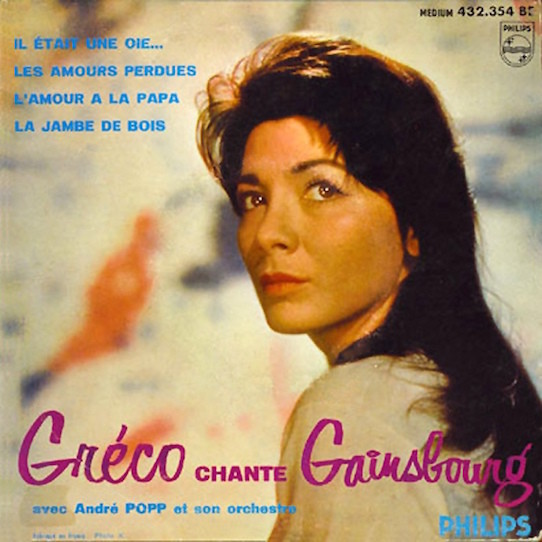
Juliette Gréco’s "Les amours perdues" isn't just a song; it's a masterclass in melancholic acceptance. Gréco, a figure synonymous with Parisian existentialism, doesn't wallow in the loss of love, but rather dissects the persistent ache it leaves behind. The opening lines establish the central theme: lost loves are irretrievable. Yet, the lyrics immediately twist the knife, acknowledging that these lost loves, though gone, remain hauntingly close, forever etched in the memory of the abandoned lover. It’s a paradox of absence, where the void itself becomes a palpable presence. The song meaning resides not in the event of heartbreak, but in the enduring psychological residue.
The recurring refrain, with its desperate promises of eternal love ("On s'aimera toujours"), acts as a poignant counterpoint to the verses. These vows, once sacred, now echo with a hollow resonance, underscoring the chasm between the idealized past and the stark reality of the present. The repetition of "toujours," fading into an unfinished "tou..." hints at the inherent fragility of such pronouncements. It suggests that even the most fervent declarations of love are ultimately subject to the erosion of time and circumstance. Gréco's genius lies in exposing the raw nerve of this disillusionment, the realization that the 'always' we so readily promise is a fleeting illusion.
Later verses delve deeper into the lasting impact of these "amours perdues." They haunt the singer's nights, driving her to seek oblivion in the arms of strangers. This isn't a search for genuine connection, but a desperate attempt to escape the persistent memories of past loves. The line "Je ne te croirai pas" (I will not believe you) encapsulates a profound cynicism born from repeated heartbreak. There’s a recognition that new affections will inevitably be tainted by the ghosts of the past, destined to replay the familiar cycle of infatuation and loss. "Les amours perdues" is not merely a lament; it's a stark, unsentimental portrait of love's enduring power to shape, and ultimately scar, the human psyche.
 View Artist