Song Meaning
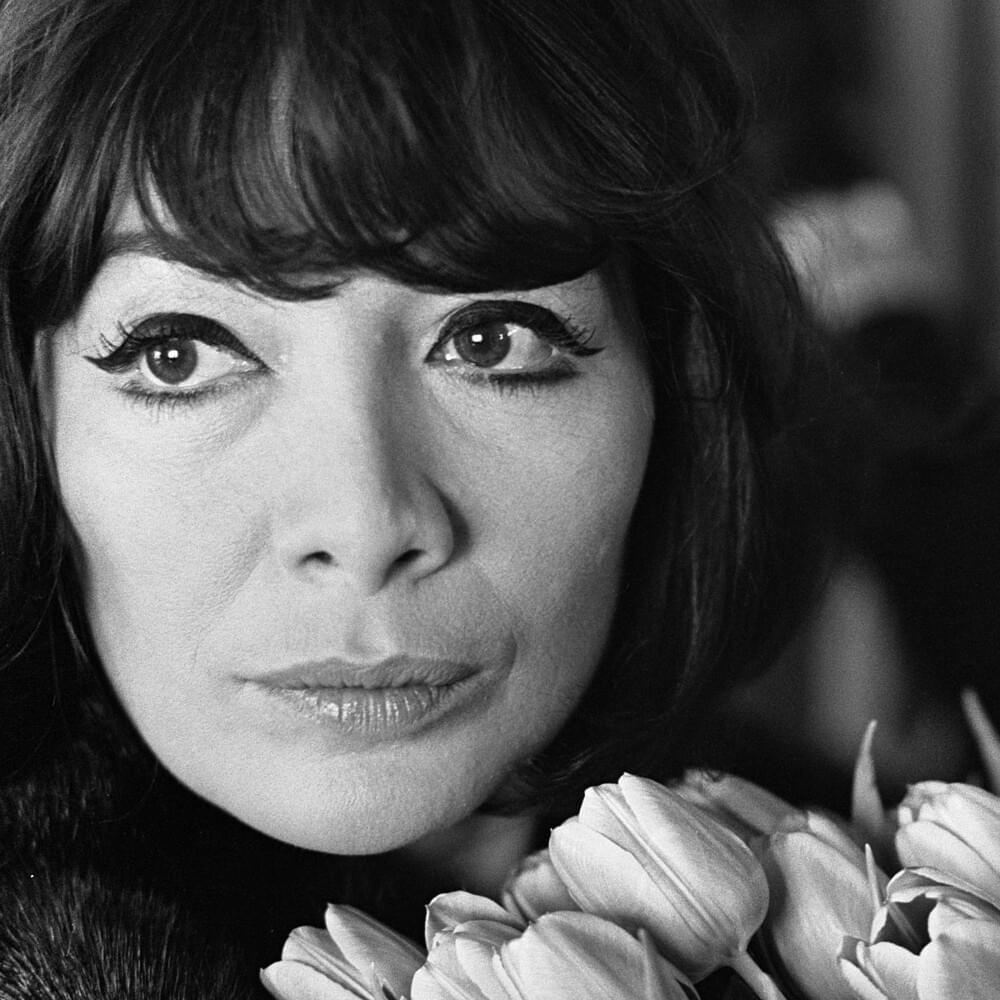
Juliette Gréco's "La porte du jour" isn't just a song; it's a masterclass in existential longing, distilled into the hushed intimacy of a bedroom encounter. The repeated phrase "À peine entres-tu dans ma chambre" (Barely do you enter my room) sets the stage for a fleeting moment, a desperate attempt to hold onto something ephemeral. The lyrics aren't about physical love as much as they are about the crushing weight of time and the fear of its relentless march forward. The entrance of the other person becomes a symbolic pause, a brief reprieve from the inevitable. But even that pause is fragile, threatened by the encroaching "porte du jour" (door of day).
Gréco, with her signature world-weariness, captures the paradox of desire. The desire for connection, for intimacy, is intertwined with the awareness of its impermanence. "Dormons ensemble" (Let's sleep together) is not a simple invitation to slumber; it's a plea to suspend reality, to exist outside the constraints of time and the outside world. It's a fragile shield against the realization that connection, like night, is destined to fade. The repetition emphasizes the urgency, the almost childlike insistence on clinging to the present.
The brilliance of "La porte du jour" lies in its simplicity. The imagery is stark, the language economical, yet the emotional impact is profound. Gréco transforms the mundane act of entering a room into a profound meditation on mortality and the human need for solace. The song becomes a timeless exploration of how we grapple with the transient nature of existence, seeking refuge in fleeting moments of togetherness, knowing full well that the "porte du jour" will inevitably swing open, shattering the illusion and ushering in the cold light of reality.
 View Artist