Song Meaning
Esther Phillips's "Shangri-La" isn't a geographical yearning, but a deeply personal and psychologically astute portrait of romantic obsession. The song uses the mythical paradise of Shangri-La not as an escape from the world, but as a metaphor for the intoxicating, self-contained reality created by intense love. It's a world built not of physical space but of sensory experience: kisses, warmth, and the idealized image of the beloved as an "angel." The "Shangri-La" lyrics reveal a desire for total immersion in the relationship, a blurring of boundaries where the lover becomes the landscape itself.
Phillips masterfully conveys the almost childlike dependence inherent in this kind of emotional landscape. The repeated references to "bluebirds and fountains and nothing to do" evoke a sense of blissful, yet potentially stifling, idyll. This isn't just about romantic love; it's about the desire to regress, to be held and protected from the complexities of the outside world. The line "cling to an angel that looks like you" is particularly telling, suggesting a reliance on an idealized image rather than a fully realized person. The angel isn't just a lover but a savior, a figure onto whom the singer projects all her hopes and needs.
The true genius of the song meaning lies in its quiet acknowledgement of vulnerability. While the lyrics paint a picture of blissful paradise, the very act of seeking refuge in "Shangri-La" hints at an underlying fear of the outside world. The intensity of the desire—to "spend your life with me in Shangri-La"—suggests a profound need for reassurance and validation. Ultimately, "Shangri-La" becomes a poignant exploration of the intoxicating and potentially isolating nature of romantic love, a place where bliss and dependence intertwine.
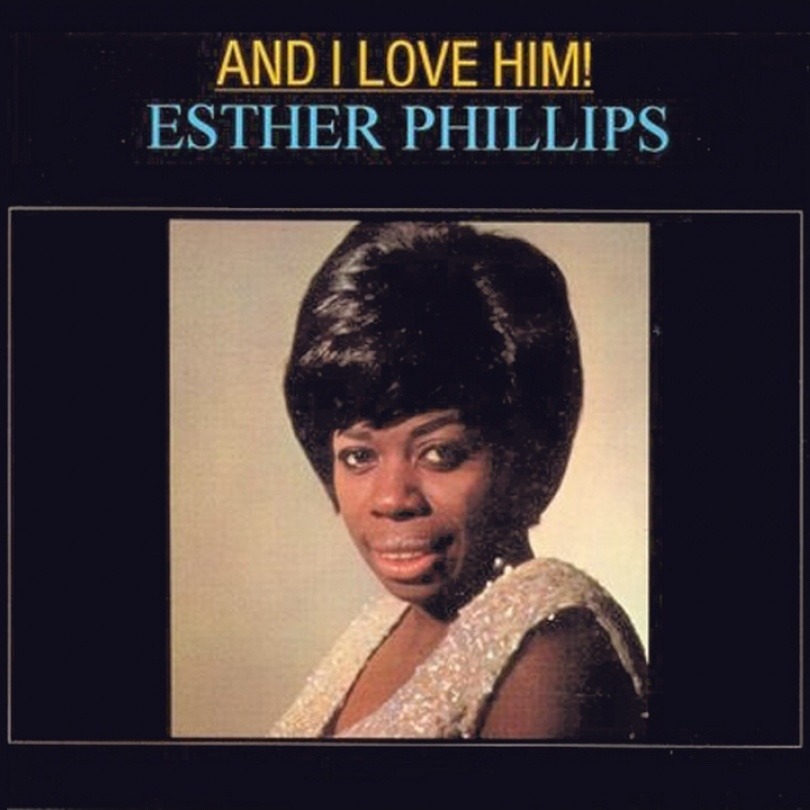
 View Artist