Song Meaning
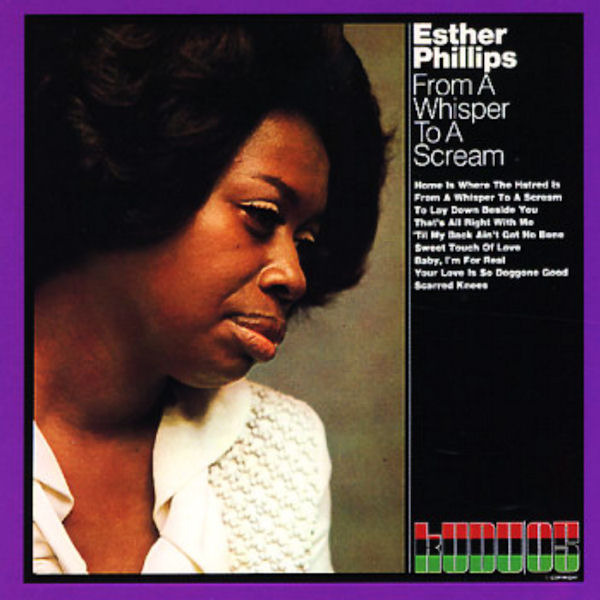
Esther Phillips doesn't just sing the blues; she inhabits them, twists them, and spits them back out with a ferocious vulnerability. In "That's All Right With Me," she lays bare the complexities of desire and self-sacrifice with a rawness that's both unsettling and deeply compelling. This isn't a simple love song; it's a confession of sorts, a desperate plea wrapped in the guise of acquiescence. The lyrics are a stark exploration of power dynamics within a relationship, where the speaker seems willing to surrender everything – even her own autonomy – for the sake of love. The repetition of "That's alright with me" becomes less an affirmation and more a mantra, a way to rationalize a potentially unhealthy imbalance. It's the sound of someone trying to convince themselves that the terms of the relationship are acceptable, even as the listener can sense the underlying ache.
Phillips' willingness to "even do wrong for you" is particularly jarring, highlighting the dangerous lengths to which love can drive us. It speaks to a deep-seated need for validation and acceptance, where the fear of losing the beloved outweighs the moral implications of one's actions. The line also touches upon the theme of codependency, where one person's sense of self becomes inextricably linked to the other's well-being. The desire to "keep you happy all the days of my life" borders on the obsessive, suggesting a relationship built on uneven ground. It's a testament to Phillips' artistry that she can convey such emotional turmoil with such seemingly simple phrasing.
Ultimately, the song meaning of "That's All Right With Me" resides in its uneasy tension. It's a portrait of love as both a source of immense joy and a potential trap. Phillips' performance imbues the lyrics with a sense of desperation and longing, making it clear that this isn't just about agreeing to someone's terms; it's about the sacrifices we make, the boundaries we blur, and the compromises we accept in the name of love. It's a song that lingers long after the last note fades, prompting us to question the true cost of devotion.
 View Artist