Song Meaning
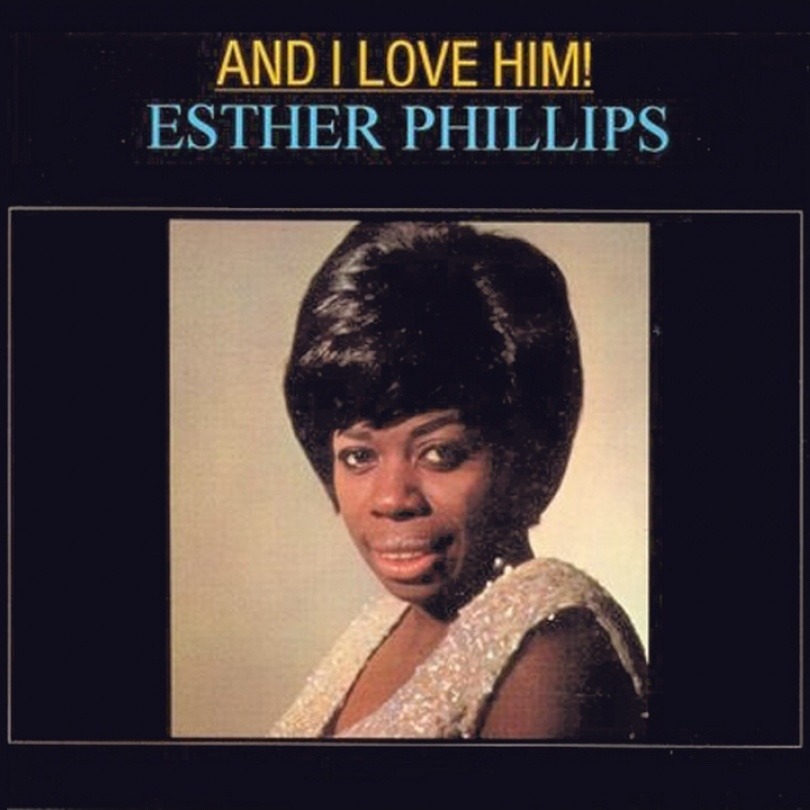
Esther Phillips's rendition of "Moonglow & Theme From Picnic" isn't just a song; it's a shimmering portal back to the heady rush of first love. Phillips, with her signature blend of raw emotion and jazz-infused phrasing, elevates this classic into an intimate confession. The lyrics paint a picture of serendipitous romance, a chance encounter under the evocative "moonglow." But the song meaning burrows deeper than mere surface-level infatuation. It captures that pivotal moment of recognition, the instant when two souls lock eyes and sense an unspoken connection. The picnic setting and the "heavenly songs" that "seem to come from everywhere" amplify the feeling of being caught in something larger than oneself, a destiny orchestrated by the celestial.
The brilliance of the song lies in its simplicity. It's not about grand gestures or dramatic declarations; it's about the subtle nuances of a burgeoning connection. The repeated invocation of "moonglow" acts as both a literal setting and a powerful metaphor. It's the soft, ethereal light that obscures imperfections and allows vulnerability to flourish. It speaks to the subconscious pull, the almost magnetic attraction that defies logic. The lyrics hint at a vulnerability that many listeners find relatable. The singer, almost in disbelief, pleads, "Oh lord, please let this last," revealing the inherent fragility of new love and the fear of its potential loss.
Ultimately, "Moonglow & Theme From Picnic" is a bittersweet meditation on memory and the enduring power of first love. The song analysis reveals the idea that even years later, the memory of that initial spark, illuminated by the metaphorical "moonglow," continues to resonate. It serves as a reminder of a time when everything felt possible, and the world was bathed in an enchanting light. Phillips's interpretation transforms a simple love song into a poignant exploration of the human heart's capacity for longing and the enduring magic of a moment in time.
 View Artist