Song Meaning
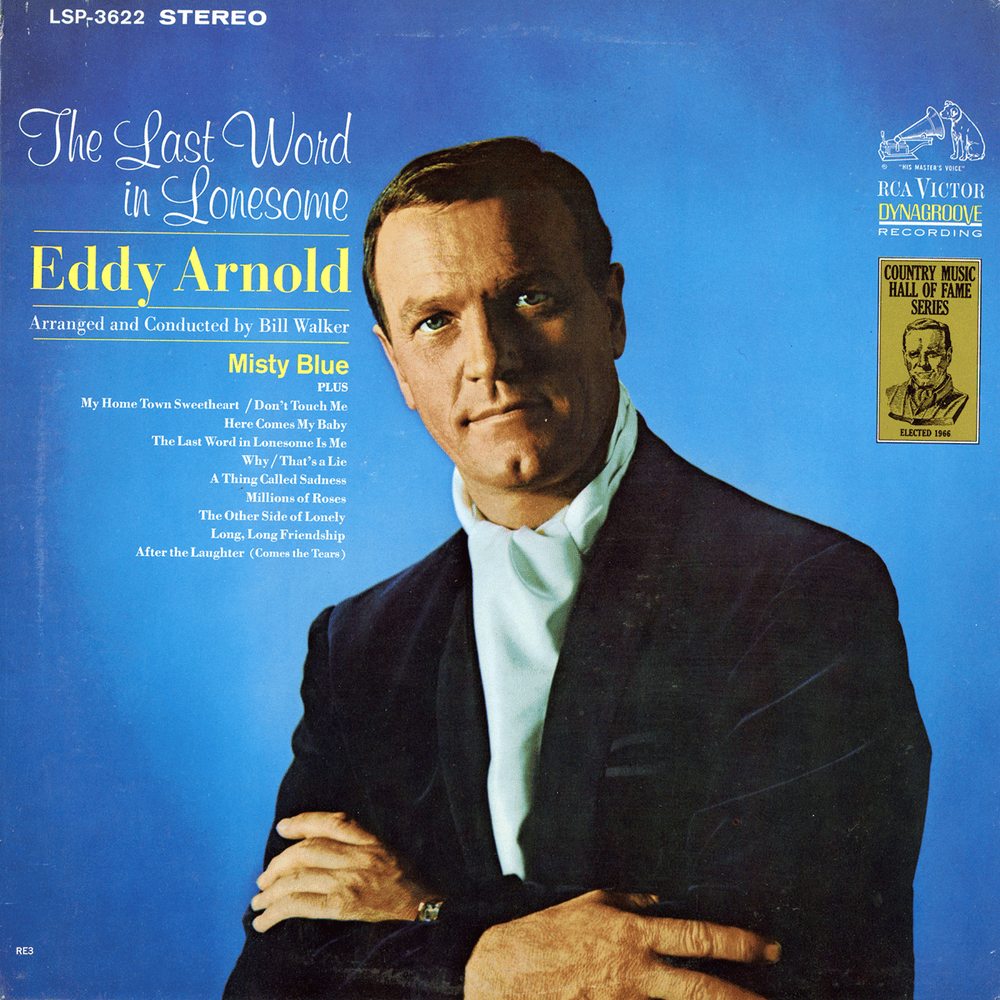
Eddy Arnold's "The Other Side of Lonely" isn't just a country ballad; it's a masterclass in melancholic longing, a carefully constructed portrait of a man choosing to dwell in the ruins of a lost love. The repeated phrase, "On the other side of lonely / It's where I wanna be," initially sounds like a cry for help, but quickly reveals itself as something far more complex: a deliberate act of self-isolation. It's not that the singer *has* to be lonely; he *wants* to be. This isn't about finding a way out of despair, but rather about meticulously curating it. The song meaning hinges on this conscious choice, a subtle but powerful declaration of emotional entrenchment. Is this a healthy choice? Almost certainly not. But it is a deeply human one.
The key to understanding "The Other Side of Lonely" lies in the tension between memory and freedom. The lyrics, "I'll hold on to memories / That won't set me free," expose the paradox at the heart of the song. He acknowledges that these memories are chains, yet he clings to them. This isn't mere nostalgia; it's a form of self-inflicted pain, a way of keeping the past alive, even if it means sacrificing the present. The "other side of lonely" then becomes a kind of psychological space, a refuge built from the shards of a broken relationship. The instrumental breaks only amplify this sense of isolation, offering no solace, only a stark reminder of the emptiness that surrounds him.
The ambiguity of the lyrics adds another layer of complexity. The line, "Is where you wait for me," could be interpreted as a glimmer of hope, a belief that the lost love might one day return. However, within the context of the song, it feels more like a delusion, a projection of his own desires onto an absent figure. He's not necessarily expecting her to *actually* be there, but the *idea* of her waiting allows him to justify his self-imposed exile. "The Other Side of Lonely" isn't just a song about being alone; it's a song about the seductive power of loneliness, the strange comfort that can be found in wallowing in the past. It's a testament to Eddy Arnold's ability to tap into the darker corners of the human heart, and make them resonate with an audience that understands the bittersweet allure of a love that's gone.
 View Artist