Song Meaning
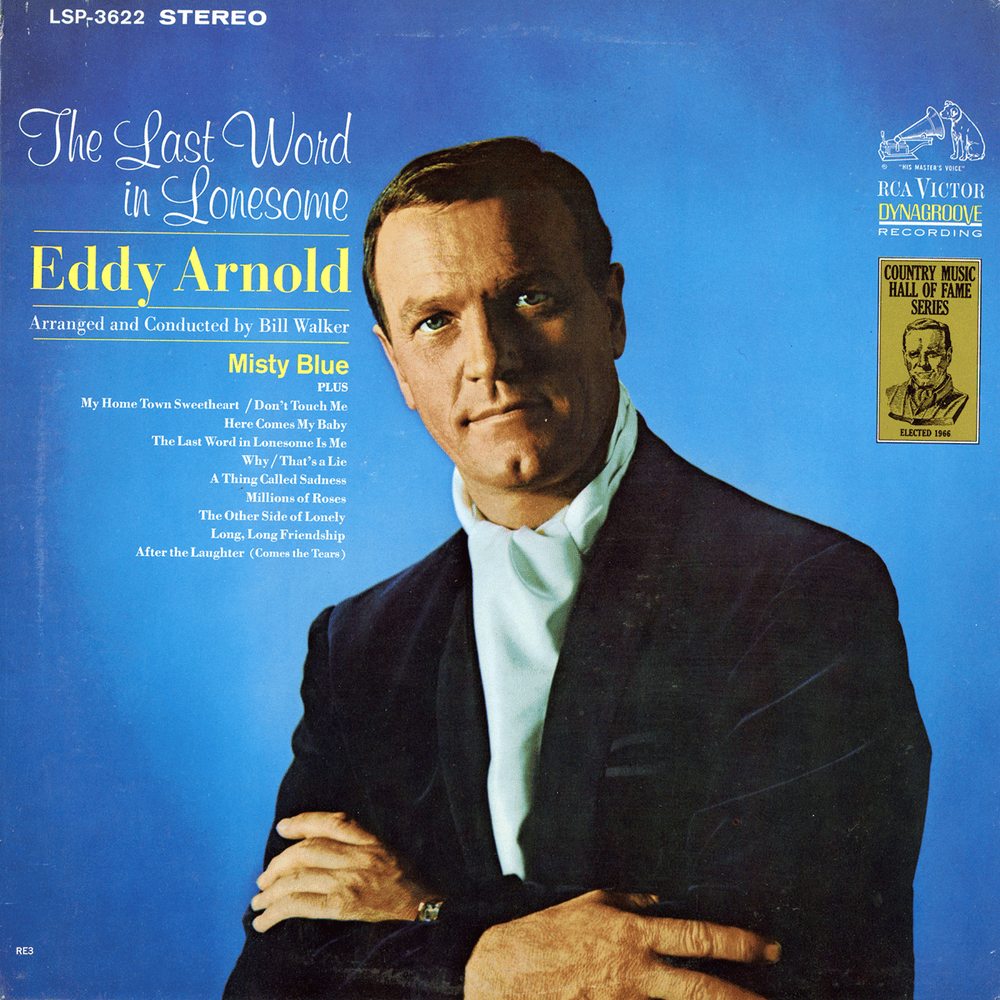
Eddy Arnold, a name synonymous with countrypolitan sophistication, lays bare a raw emotional truth in "After the Laughter (Comes the Tears)." The song isn't just a lament; it's a study in the cyclical nature of grief, a waltz through the disorienting landscape of heartbreak. Arnold's performance, steeped in a world-weary sincerity, turns a potentially maudlin sentiment into something achingly relatable. The genius of the song meaning lies in its stark simplicity: joy is fleeting, a fragile mask that inevitably slips to reveal the pain beneath. It's the emotional hangover after a forced smile, the hollowness that echoes in the silence after a carefully constructed facade crumbles.
The lyrics themselves are unadorned, almost conversational, which only amplifies their impact. Phrases like "That's what happens when your memory appears" cut to the quick, capturing the intrusive nature of loss. The repetition of the chorus, particularly the line "And my feelings never seem to be too clear," speaks to the confusion and disorientation that often accompany deep sorrow. It's a testament to the way grief can scramble our emotional wiring, leaving us adrift in a sea of conflicting emotions. The 'laughter' isn't genuine mirth, but rather a desperate attempt at normalcy, a fleeting performance meant to conceal the underlying ache.
Ultimately, "After the Laughter (Comes the Tears)" is a masterclass in emotional honesty. Eddy Arnold doesn't shy away from the messy, uncomfortable truth that healing isn't linear. There are peaks and valleys, moments of forced levity followed by crushing waves of sadness. It's a song for anyone who has ever tried to outrun their pain, only to find it waiting for them, patient and inevitable, just beyond the fading echo of laughter. The song's impact lives in that haunting space between the performance of happiness and the stark reality of grief.
 View Artist