Song Meaning
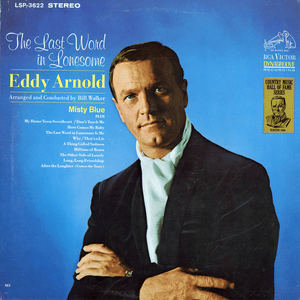
Eddy Arnold's "The Last Word In Lonesome Is Me" isn't just a lament; it's a stark declaration of emotional rock bottom. The song strips bare the feeling of utter solitude, presenting it not as a temporary state, but as a definitive, almost existential condition. To claim the 'last word' on anything is bold, implying a mastery, even in misery. Arnold seizes ownership of his desolation, marking himself as the ultimate authority on loneliness. It's as if he's surveyed the landscape of heartbreak and planted his flag firmly in the most desolate spot. This isn't simply sadness; it's a pronouncement.
The core of the song meaning dwells in the paradox of claiming expertise in suffering. The repetition of "The last word in lonesome is me" in the chorus hammers home the depth of this isolation. It suggests a competition nobody wants to win. The brief verse, "Too bad what's happened to our good love / Sometimes our best isn't quite good enough," offers a glimpse into the cause, hinting at a relationship that crumbled despite genuine effort. This is where the song transcends simple heartbreak; it acknowledges the inherent limitations of human connection, the painful reality that even our best intentions can't always bridge the gap.
The real psychological weight lies in the finality of the claim. By repeatedly asserting that he embodies the 'last word' in loneliness, Arnold suggests a resignation, a feeling that this state is not just profound but also permanent. The outro echoes this sentiment, driving home the feeling of inescapable isolation. The simplicity of the lyrics, coupled with Arnold's delivery, transforms the song into a stark, unforgettable portrait of a soul utterly alone, bearing the weight of unyielding solitude.
 View Artist