Song Meaning
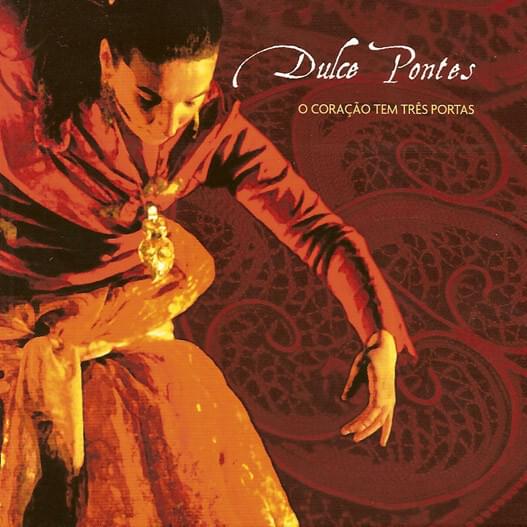
Dulce Pontes' rendition of "A Chorona" isn't just a song; it's a raw nerve exposed, a primal scream echoing through generations. The lyrics, a blend of Portuguese and Spanish, immediately plunge us into a world of contradictions and pain. The titular "Chorona," or "weeping woman," acts as both a lament and a haunting presence. It's impossible to ignore the folklore surrounding La Llorona, the wailing woman of Latin American legend, forever mourning her lost children, and Pontes' interpretation seems to tap into that deep well of sorrow and cultural trauma. The repeated lines about the man being "negro, mas carinhoso" ("dark, but loving") hint at a relationship fraught with complexity, perhaps marked by societal judgment or internal conflict. It speaks to a love that is simultaneously desired and questioned, a dangerous attraction.
The singer identifies herself as "chile verde, picante mas saboroso" ("green chile, spicy but tasty"). This is a crucial self-assessment. She acknowledges her own fiery nature, her capacity to inflict pain, yet insists on her inherent worth and desirability. It's a defiant assertion of self in the face of potential rejection or misunderstanding. The plea to be taken to the river and covered with a shawl because she is "morro de frio" ("dying of cold") introduces a stark vulnerability. The river, a classic symbol of transition and the unknown, suggests a yearning for escape or purification. The shawl offers not just warmth, but also a symbolic embrace, a desperate need for comfort and protection from the emotional chill.
Finally, the shift towards a desperate questioning – "Si ya te he dado la vida, llorona, ¿Qué más quieres? ¡Quieres más!" ("If I have already given you life, weeping woman, what more do you want? You want more!") reveals the heart of the song's meaning. This isn't just about romantic love; it's about the insatiable demands of life itself, the feeling of never being enough, of constantly being drained by unseen forces. The Chorona, in this context, becomes a metaphor for the relentless expectations and sorrows that haunt us all. Dulce Pontes doesn't simply sing "A Chorona"; she embodies its anguish, transforming personal pain into a universal expression of longing and the search for solace.
 View Artist