Song Meaning
Dulce Pontes's "Ovelha Negra" isn't just a song; it's a defiant manifesto sung from the fringes. The title, translating to "black sheep," immediately positions the narrator as an outsider, someone who refuses to conform. This isn't a passive rejection, but an active, almost violent tearing away from prescribed roles: "Rasguei o manto de mito / E pedi mais infinito." It's a demand for a life unbound by limitations, a yearning for existential expansion. The lyrics paint a stark picture of the consequences of this choice. The black sheep's path is one of hardship, marked by hunger, cold, and emotional pain. The "água dos meus olhos" (water from my eyes) and "raízes de dor" (roots of pain) suggest a life sustained by sorrow, a testament to the sacrifices made in the name of authenticity.
Yet, the suffering isn't presented as a lament. Instead, there's a sense of hard-won wisdom and resilience. The narrator speaks of offering the "sangue das minhas veias" (blood from my veins) to quench the thirst of others, highlighting a profound empathy born from personal pain. This act of self-sacrifice, offering even the essence of one's being, transforms the image of the black sheep from a societal outcast into a figure of profound generosity. The "negativos abraços" (negative embraces) from which the soul was absent, speak to the dehumanizing effect of conformity and the importance of genuine connection, even if found in solitude.
Ultimately, "Ovelha Negra" is a celebration of individual spirit. The closing lines, "Mas foi por mim que viveu / A alma que Deus me deu / Num corpo feito razão," underscore the importance of living a life true to oneself. It's a declaration that even in the face of adversity, the soul, guided by reason and personal conviction, can flourish. Dulce Pontes doesn't offer easy answers or a romanticized vision of rebellion. Instead, she presents a raw, unflinching portrait of the price and the profound reward of choosing one's own path, solidifying the song's meaning as an anthem for those who dare to be different.
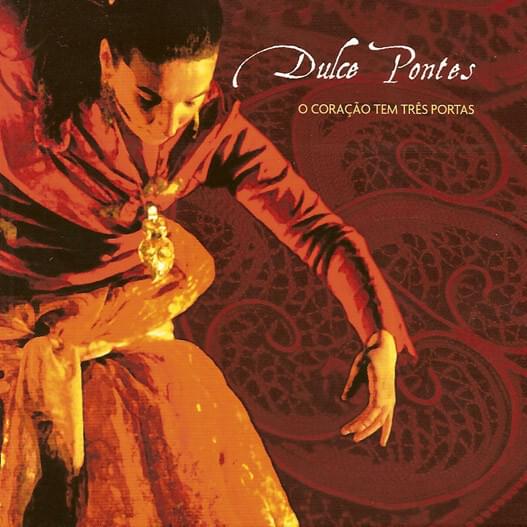
 View Artist