Song Meaning
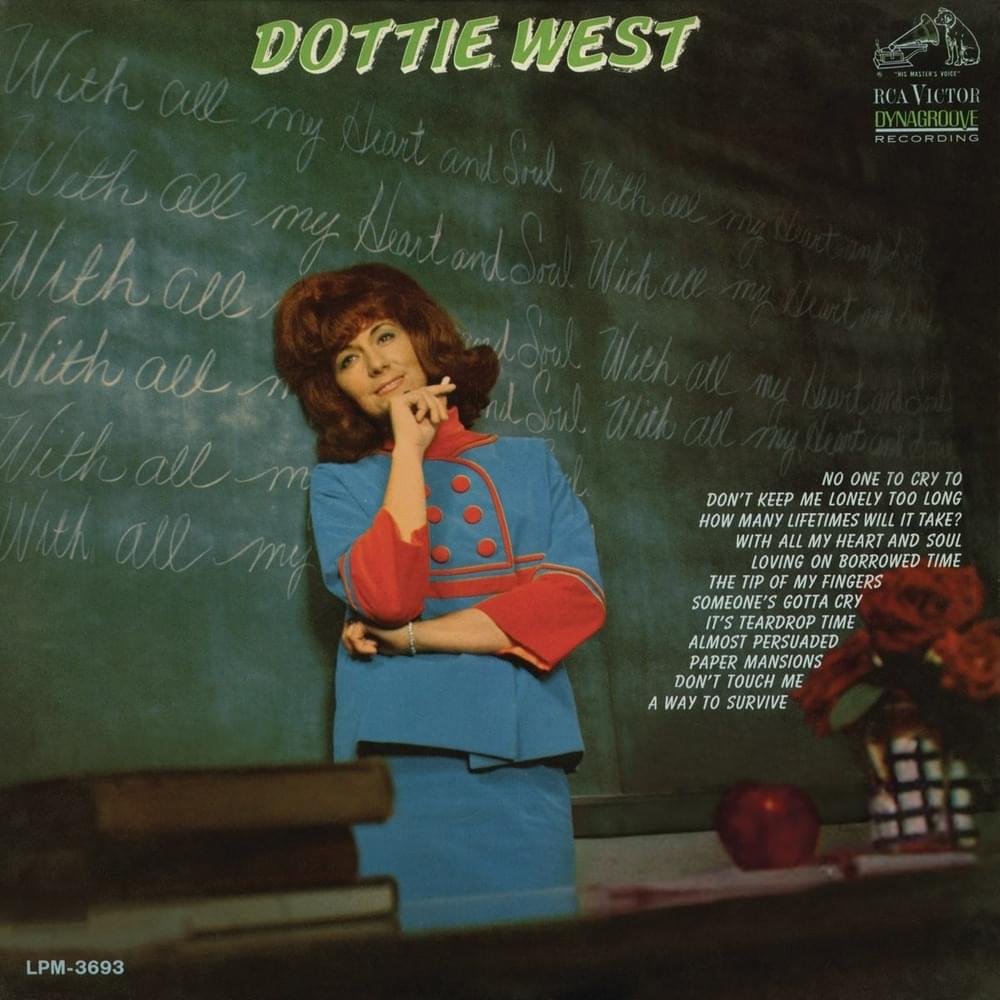
Dottie West's "With All My Heart and Soul" isn't just a countrypolitan lament; it's a stark, almost unnerving exploration of love's masochistic potential. The song's core concept revolves around the narrator's unwavering devotion to a partner who demonstrably mistreats her. This isn't a tale of simple heartbreak, but rather a portrait of deeply ingrained attachment, where pain paradoxically fuels affection. The repeated chorus, "With all my heart and soul, I'll always love you, although you've treated me so wrong," becomes a chilling mantra, highlighting the singer's apparent inability to detach from a toxic relationship. It suggests a psychological complexity beyond mere romantic disappointment. The song subtly asks: at what point does love become a self-destructive compulsion?
The verse provides a window into the narrator's struggle to rationalize her situation. The line, "I've heard everything happens for the best, this is hard to believe," exposes the cognitive dissonance at play. She's attempting to apply a positive narrative to a clearly negative experience, a common coping mechanism when faced with emotional distress. However, the subsequent lines reveal a darker truth: "Every time you hurt me, my love grows stronger than before, and breaking my heart only made me love you more." This isn't healthy love; it's a reinforcement loop where pain and affection become inextricably linked. It hints at the possibility of deep-seated issues like low self-worth or a subconscious belief that she is undeserving of healthy love, leading her to seek out or even perpetuate harmful relationship patterns.
Ultimately, "With All My Heart and Soul" transcends the typical country song of lost love. It's a psychologically nuanced portrayal of unhealthy attachment and the human capacity to cling to relationships that cause pain. The song's haunting quality stems from its unflinching depiction of this dynamic, leaving the listener to ponder the complexities of love, loss, and the potential for self-deception within the human heart. It's a stark reminder that love, in its most distorted forms, can be a powerful, self-destructive force.
 View Artist